Wednesday, April 19, 2006

【Book】開かれた社会とその敵 The Open Society and Its Enemies


【本】ポパー,カール.内田詔夫・小河原誠訳.1980.『開かれた社会とその敵 第一部』.未来社.

この本を読むと思う。開かれた社会というのは壮大な幻想なのだろうか。だって世界中必死に探しても本当に開かれた社会が見つからない。開かれた社会もまた、絵に描いた餅、ポパーの言う天国だろうか。

--------------------------------------------
以下では、呪術的ないし部族的ないし集団主義的な社会のことを閉ざされた社会とも呼び、また諸個人が個人的決定に直面する社会を開かれた社会とも呼ぶことにしよう。
--------------------------------------------
ソクラテスは自分の人格の高潔性を汚すことを拒んだ。プラトンは自分の非妥協的な画面消去の主張にもかかわらず、一歩進むごとに自分の高潔性を汚す道へと追い込まれた。彼は自由思想や心理の追求と戦うように強いられた。彼はうそつき、政治的奇蹟、タブーによる迷信、真理の抑圧、そして最後には残忍な暴力を擁護するよう追い込まれた。ソクラテスの人間嫌いと言論嫌いへの警告にもかかわらず、プラトンは人間不信と論証の恐れへと追い込まれた。彼自身が僭主制を憎んでいたにもかかわらず、僭主の助けを当てにし、最も専制的な手段をも擁護するように追い込まれた。彼の反人道的な目標のもつ内在的論理、権力の内在的論理によって、彼は知らず知らずのうちにかつて三〇人政治家たちが行き着いたのと同じ地点に追い込まれたのであり、後には彼の友人のディオンや他の数多い僭主である弟子たちも同じ地点に追い込まれたのである。彼は社会を押さえつけることには成功しなかった(はるか後の暗黒時代になってはじめて、プラトン-アリストテレス的本質主義の魔力によって、社会が押えつけられたのである)。その代わりに、彼は自分の呪文で自分自身をかつては憎んでいた権力に縛りつけることに成功したのである。
 こうして、われわれがプラトンから学ぶべき教訓は、彼がわれわれに教えようとするものとは正反対のものである。それは忘れてはならない教訓である。プラトンの社会学的診断は卓越していたが、彼の推奨した治療法は彼が戦おうとした悪よりも一層悪いことが彼自身の展開によって証明される。政治変化を阻止することは治療ではなく、幸福をもたらすことはできない。われわれは主張されているような閉ざされた社会での無垢と美に戻ることは決してできない。われわれの天国の夢を地上に実現することはできない。われわれが一旦自分の理性に頼り批判の力を使用し始めるならば、また一旦個人の責任の要求、およびそれとともに知識の進歩を助ける責任を感じるならば、われわれは部族の呪術への盲従の状態に帰することはできない。知恵の樹から食べた者には、天国は失われたのである。われわれが部族制の英雄的な時代に帰ろうとすればするほど、ますます確実に異端審問、秘密警察、ロマンチックに空想されたギャング行為に到着する。われわれは理性と心理の抑圧に始まって、人間的なものすべての最も野蛮で暴力的な破壊で終わらなければならない。調和のとれた自然状態への復帰などというものはありえない。もしわれわれが引き返すならば、われわれは道のり全部を行かなければならない――われわれは野獣に帰らなければならない。(中略)だが人間であり続けたいと望むならば、そのときには唯一の道、開かれた社会への道があるのみである。われわれは安全および自由の両者のための良い計画を立てるために、持ち合わせの理性を用いて、未知と不確実と不安定の中へ進み続けなければならない。
-----------------------------------------------------------------------------


【Book】 Popper, Karl Raimund. 1945. The Open Society and Its Enemies Volume1. NY: Routledge

I wonder. Is the open society another grandest castle in the air? No matter how hard we try to find it, we can't see it anywhere in the world. Is the open society also the heaven that Popper talks about...?

------------------------------------------
In what follows, the magical or tribal or collectivist society will also be called the closed society, and the society in which individuals are confronted with personal decisions, the open society.
------------------------------------------

Socrates had refused to compromise his personal integrity. Plato, with all his uncompromising canvas-cleaning, was led along a path on which he compromised his integrity with every step he took. He was forced to combat free thought, and the pursuit of truth. He was led to defend lying, political miracles, tabooistic superstition, the supression of truth, and ultimately, brutal violence. In spite of Socrates' warning against misanthropy and mislogy, he was led to distrust man and to fear argument. Inspite of his own hatred of tyranny, he was led to look to a tyrant for help, and to defend the most tyrannical measures. By the internal logic of his anti-humanitarian aim, the internal logic of power, he was led unawares to the same point to which once the Thirty had benn led, and at which, later his friend Dio arrived, and others among his numerous tyrant-disciples. He did not succeed in arresting social change. (Only much later, in the dark ages, was it arrested by the magic spell of the Platonic-Aristotelian essentialism.) Instead, he succeeded in binding himself, by his own spell, to powers which once he had hated.
The lesson which we thus should learn from Plato is the exact opposite of what he tries to teach us. It is a lesson which must not be forgotten. Excellent as Plato's sociological diagnosis was, his own development proves that the therapy he recommended is worse than the evil he tried to combat. Arresting political change is not the remedy; it cannot bring happiness. We can never return to the alleged innocence and beauty of the closed society. Our dream of heaven cannot be realized on earth. Once we begin to rely upon our reason, and to use our powers of ciriticism, once we feel the call of personal responsibilities, and with it, the responsibility of helping to advance knowledge, we cannot return to a state of implicit submission to tribal magic. The more we try to return to the heroic age of tribalism, the more surely do we arrive at the Inquisition, at the Secret Police, and at a romanticized gangsterism. Beginning with the suppression of reason and truth, we must end with the most brutal and violent destruction of all that is human. There is no return to a harmonious state of nature. If we turn back, then we must go the whole way --- we must return to the beasts. (L.O.) But if we wish to remain human, then there is only one way, the way into the open society. We must go on into the unknown, the uncertain and insecure, using what reason we may have to plan as well as we can for both security and freedom.

【Book】消えゆく言語たち vanishing voices

【本】ネトル,ダニエル・ロメイン,スザンヌ.島村宣男訳.2001.『消えゆく言語たち: 失われることば、失われる世界』.新曜社.

読むだけで涙が出てくる本。私の母語である日本語は、まだ一億人もが話している。どんなに幸運なことだろう。けれどその日本語も、明日は我が身と思わねばならないのかもしれない。想像してみてもらいたい。あなたが地球上最後の、日本語を知る人間になったとしたら・・・どんな気持ちになるだろう。それはどんなに絶望的で孤独なことだろう。世界中にそんな思いをしている人が沢山いる。私にも何かできたら良いのに・・・。

----------------------------------------------------------------
 オーストラリア先住民の言語は二五〇にもおよぶが、その大部分はすでに消滅し、今後とも長く存続しそうなものはほとんどない。しかし、このことを知っている人も、関心を抱いている人もあまりいないように思われる。カリフォルニア州で話されていた一〇〇近くもの北米インディアン諸語も、どれひとつとして子どもたちに学習されていない。マン島語の最後の話者は、一九七〇年に死亡している。同じような暗い話は、世界に現存する他の言語についても語られている。少なくとも世界の言語の半数は、次の一〇〇年のうちに死滅する可能性がある。これら多様な言語が、どうして消滅しているのだろうか?

-------------------------------------------------------------
 「言語の殺戮」とか「言語の自殺」というような表現を用いる人もいる。言語に自然死はない、ということを暗に示そうというわけである。言語は殺されるのである。グランヴィル・プライスが述べたように、英語は「殺し屋の言語」である。たとえば、アイルランド語は英語に殺されたのだと言われて久しい。しかしアイルランド語は自死したのだとして、結果的にはアイルランド語そのものに責任を問う人もいる。フラン・オブライエンはアイルランド語を愛するアイルランド人作家でありながら、アイルランド語復興の試みに憤慨して、それを拒絶している。というのもオブライエンは、アイルランド語が直面する様々な困難の原因が、「主として、ゲール人がその美しく精妙な道具を意図的に捨てたという事実にある」とする見解をとるからである。(中略)言語の自死という見方は、当然ながら、まさにその犠牲者に責任を帰するものである。このような見方は建設的ではないし、いかなる場合でも、その根拠は薄弱である。誰も気まぐれから自殺などしない。自殺というのは、過度のストレスによって引き起こされた精神的な、そしてまたしばしば肉体的な病気の表れなのである。同様に、人々は正当な理由もないのに自分たちの言語を放棄はしないものである。譲歩する以外に現実的な選択肢のない、強要によるストレスがずしりとのしかかる社会状況のもとで生じる言語の変更と死の事例がいかに多いかを、私たちは本書全体にわたって示したいと思う。多くの人々が自分たちの言語を話すのを止めるのは、生き残り戦略としての自己防衛のためなのである
----------------------------------------------------------
 どの民族も、自分たちの言語を文化的資源として保護し、子どもたちに伝達していく権利をもっている。
 英語が死ぬことになって、日常的に英語を話すことができなくなることがどんなことなのか、大多数の英語の話者には想像もつかないことである。地上における最後の英語の話者になったとしたら、どういう気分がするだろう?(中略)
 クジラとかシマフクロウなど、天然資源の保護運動は高まるのに、言語は完全に見過ごされている。国連などの国際機関からも、言語を保全するための援助はほとんどなされていない。(中略)英語と他のごく少数の言語による支配という結果になってしまっている人間社会のこの根本的な再編は、「適者生存の問題でもなければ、理想的な市場における同等者間の競争とか自由選択の結果でもない。むしろ、先進国と途上国とのあいだに著しい資源の不均衡をもたらしている社会変動の速度が、不公平にも偏っている結果である。(中略)英語しか話せない人は、自分たちがおかれた状況が、これまでずっと世界の標準では「なかった」し、今もなお多言語が優勢であるという事実に、たいていは気がついていない。
-----------------------------------------------------------
 新たに独立した国々のエリート集団は、概して、植民地体制をとおしてその地位に昇った。彼らは高度に欧米化し、たいていは欧米の言語を使用した。(中略)これらの要素が意味しているのは、言語面から見た植民地主義の構造がほとんど解消されていないということである。たとえば、植民地時代の言語であった英語とフランス語は、アフリカにおいては権力と野望を実現するための言語としての正当性をほとんど疑われていないし、その普及は多くの多言語の、上からの置き換えにつながっている。
-----------------------------------------------------------
 マイノリティの権利は、言語の死がその集団の問題にたいする自己コントロールの喪失を示すものであるのだから、実質的には言語の権利と重複する。(中略)近年、「言語の権利に関する世界宣言についての論議が、ユネスコの後援のもとになされている。
 このような法規制によって保証されなければならないのは、誰もが自分の母語を表明する権利、その表明が他者に認められ、尊重される権利、そして母語を話し、書くことを学ぶ機会をもつ権利を有するということである。これはほとんどの場合、先住民族やマイノリティの子どもたちが自分たちの母語をとおして教育を受け、学校、労働、政治といった公的な状況のなかでその言語を用いることを要求する。また、母語が自分の住んでいる国の第一言語ではない人々には、自らの選択に応じて、母語と公用語(公用諸語)の二言語併用話者(あるいは、母語が一つ以上ある場合は、多言語併用話者)となるよう、十分奨励がなされるべきである。
-----------------------------------------------------------
 一九八六年に至っても、当時の日本の中曽根首相は「日本は単一の民族からなる国家である」と重ねて言明し、「国際人権規約」を侵害する歴史を繰り返した。結局、日本政府は一九九一年に、「規約」が定義する民族的マイノリティとして、約十万人のアイヌ人の存在を認めたが、アイヌ人が先住民族であることを承認するのを依然として拒んでいる。
-----------------------------------------------------------
 二言語併用を、人々に押しつけるべきではないと言われてきた。単一言語もまた、上からの命令によるにせよ、傍観のためにせよ、押しつけられるべきではない。過去何年か、そして現在、世界の各地で起きている出来事が示しているように、私たちの地球村は真に多文化的・多言語的でなければならない。そうでなければ、それは消滅するであろう。
------------------------------------------------------------


【Book】 Nettle, Daniel and Romaine, Suzanne. 2000. Vanishing Voices: The Extinction of the World's Languages. NY: Oxford University Press

I drop tears when I read this book. My mother tongue, Japanese has more than 100 million speakers. It's something more than a fortune. But we cannot be sure that it will stay being so in future.

Imagine.
If you were the last Japanese speaker on earth. Nobody else than you understand Japanese language. How would you feel? How despair and solitude you would be...

There are many people who are actually in such a situation in this world today. Wish if there was anything I could do for them...

-----------------------------------------------------------
Few people seem to know or care the most of Australia's 250 aboriginal languages have already vanished and few are likely to survive over the long term. No young children are learning any of the nearly 100 native languages spoken in what is now the state of California. The last Manx speaker died in 1974. The same gloomy story can be told for many other languages all over the world: At least half the world's languages could be extinct in the next century. What has happened to extinguish these diverse voices?
-------------------------------------------------------------
Some have also used the terms "language murder" and "language suicide" suggesting that languages do not die natural deaths. They are instead murdered. English, as Glanville Price put it, is a "killer language." Thus, it has been said that Irish, for instance, was murdered by English. Others, however, have in effect put the blame on Irish by saying that the language committed suicide. The Irish writer Flann O'Brien, although pro-Irish, resented and rejected the attempt to revive the Irish language, because he was of the opinion that the difficulties faced by Irish were "due mainly to the fact that the Gaels deliberately flung that instrument of beauty and precision from them." (L.O.)
The notion of language suicide of course puts the blame squarely on the victim. This view is not constructive and in any case, is ill-founded. People do not kill themselves on a whim. Suicide is indicative of mental and often phsysical illness brought about by undue stress. Likewise, people do not fling away their languages for no good reason. We will show throughout this book how many instances of language shift and death occur under duress and stressful social circumstances, where there is no realistic choice but to give in. Many people stop speaking their languages out of self-defense as a survival strategy.
---------------------------------------------------
Moreover, every people has a right to their own language, to preserve it as a cultural resource and to transmit it to their children.
It is hard for most English speakers to imagine what it might mean if the English language were to die and they would no longer be able to speak it as they went about their daily activities. How would it feel to be the last speaker of Englih on earth? (L.O.)
While campaigns are mounted to protect and conserve whales, spotted owls, and other natural resources, languages are overlooked. There has been little support from international organizations like the United Nations for preserving languages.
--------------------------------------------------
The elites of the newly independent countries were in general raised to their positions through the colonial system. They were highly westernized, and generally users of the Western languages. (L.O.) These factors have meant that the linguistic structure of colonialism has seldom been undone. The colonial languages English and French, for example, have scarcely been challenged as the languages of power and aspiration in Africa, and their spread is leading to the top-down displacement of numerous other tongues.
---------------------------------------------------
Minority rights overlap substantially with linguistic rights insofar as language death is a symptom of loss of self-regulation of a group's affairs. (L.O.) Discussion of a recent Universal Declaration of Linguistic Rights is taking place under the auspices of UNESCO.
Such legislation should guarantee that everyone has the right to identify with his or her mother tongue and have this identification accepted and respected by others, and have the opportunity to learn the mother tongue orally and in writing. In most cases, this requires indigenous and minority children to be educated through the medium of their mother tongue and use the language in official situations such as school, work, and governement. And people whose mother tongue is not an official language in the country where they are resident should be fully encouraged to become bilingual (or multilingual, if they have more than one mother tongue), in their mother tongue as well as the official language or languages --- according to their choice.
---------------------------------------------------
As recently as 1986, then-Japanese Prime Minister Nakasone reasserted that "Japan is a nation of homogeneous people," continuing a history of violation of the International Covenants on Human Rights. When in 1991 the government finally admitted the existence of some 100,000 Ainu people as an ethnic minority as defined by the covenants, it still refused to acknowledge that the Ainu are indigenous.
----------------------------------------------------
It has been said that bilingualism cannot be shoved down people's throats. Neither should monolingualism, either by fiat or benign neglect. As events of the past few years and the present in various parts of the world show, our global villege must be truly multicultural and multilingual, or it will not exist at all.
----------------------------------------------------

【Book】アルジャジーラ AL-JAZEERA

【本】マイルズ,ヒュー.河野純治訳.2005.『アルジャジーラ 報道の戦争』.光文社.

以下、引用。
------------------------------------------
フセイン政権がメディアの重要性に気づいた証拠として、次のような例があげられる。アジズ副首相はインタビューを受けるとき、記者も自分もアラビア語を母語としているにもかかわらず、米英軍による空爆を非難するときには、きまって英語に切りかえるのである。英語で話したほうが、自分の発言が欧米のメディアで広く取りあげられ、その結果、欧米で空爆反対の世論が高まるだろうと期待してのことである。アジズの読みは当たっていた。
------------------------------------------
アルジャジーラのニューヨーク特派員、アブドゥル・ラヒム・フーカラは次のように述べた。
「アメリカで暮らす一人のアラブ人として言わせてもらうなら、アメリカのメディアは非常に不愉快だ。しかし逆にアメリカ人がアルジャジーラやアルアラビーヤを観たらおそらく同じような気持ちになるだろう。アメリカのニュースを観ながら感じるのは、アメリカのメディアは、報道機関というよりも利益優先の企業だということだ。そのことについてはメディアの所有者たちもあえて反論しないだろうし、むしろ進んで認めるだろう。だから仕方ないと言っているんじゃない。そういう視点から見てみると、なぜあのような報道のしかたをするのかがよくわかるということだ。フォックス・ニュースが反アラブの姿勢を打ち出しているのは、その方が儲かるからだ。反アラブを売り物にしている、つまり、あれは一種の商品なのだ」
---------------------------------------------------------
 けれどもアルジャジーラは、数百年来、西から東へと流れていた情報の流れを、はじめて、東から西へと逆流させた。その功績は大きい。(中略)
 英語放送により、アラブ世界に生きる人々の真の姿を国際社会に伝えることができたら、アルジャジーラは大きな成果を得られるかもしれない。これは賭けだ。
 異端者扱いされて非難されるかもしれないし、念願かなって、世界でも有数の報道機関として認められるかもしれない。
---------------------------------------------------------


【Book】 Miles, Hugh. 2005. AL-JAZEERA. London: Abucus.

Followings are quotasions.
------------------------------------------
In a telling display of the regime's new-found media awareness, during an interview with the Iraqi Deputy Prime Minister, Tariq Aziz, although both he and his interviewer were native Arabic speakers, when he came to condemn the bombing he would switch to English. By speaking in English, he hoped his remarks would be more widely quoted on Western radio and television and so maximize his chances of influencing Western public opinion against the air strikes. In the event, he was probably right.
----------------------------------------------------
Al-Jazeera's New York correspondent, Abdul Rahim Foukara said:

  • When I look at the American media from an emotional point of view, as an Arab living in America, it's obviously very upsetting, in the same way I would imagine it would be for an American perhaps watching Al-Jazeera or Al-Arabiy or any other Arab channel. But when I look at American news --- and American media owners make no bones about it --- they're almost willing to acknowledge that they're running a business rather than news. So when you look at it through those eyes, I'm not saying it's justified, but you understand why it is the way it is. When it's anti-Arab you know that television is out there to make money, and anti-Arab sentiment becomes a commodity just like any other commodity that you sell.
-----------------------------------------------------
But Al-Jazeera has reversed the flow of information so that now, for the first time in hundreds of years, it passes from East to West. (L.O.)
If, with the launch of the English-language channel, Al-Jazeera successfully manages to introduce hundreds of millions of Arabs to the international community, the network stands to reap impressive rewards. It is a gamble --- either Al-Jazeera loses its reputation as an enfant terrible and joins the ranks of the world's most prestigious news organizations --- which it so desperately wants to do, or it becomes bureaucratized and dull, or perhaps it morphs into something new.
-----------------------------------------------------

【Book】歴史をかえた誤訳 Mistranslations that turned the history


【本】鳥飼玖美子.1998.『歴史をかえた誤訳』.新潮社.

以下、引用。
----------------------------------------------------------
「断る」とか「反論する」ということは、どの文化でもむずかしい。とくに外国語を使って上手に断る、相手の気持ちを損ねないように反論する、というのは高度な異文化コミュニケーション技術である。文化によっては、議論をすることが一種のゲームのようになっているのではないかと思えるほど、何かと相手のいうことに反駁してやり合う光景を見ることがあるが、それでも断り方や反論にはかならずその文化独自の社会的ルールがあり相手を傷つけないような表現が存在する。
-----------------------------------------------------------

言語に頼る度合いの大きい文化からきた人が、「沈黙」という形態の非言語メッセージに接したとき、その真意を理解することはむずかしい。
文化人類学者エドワード・ホールは英語文化のように言語に頼り言葉を駆使する文化を「低コンテキスト文化」“low context”、日本のように言葉を使わず「あうんの呼吸」でコミュニケーションが成立する文化を「高コンテキスト文化」“high context”と呼んだ。同じアジア人同士といっても、強度の高コンテキスト文化の日本人が「以心伝心」とばかり思いを沈黙という形で表現した場合、理解し合うことは望めない。
 岡部朗一氏はアメリカの「語る文化」と対比させ、日本は語らないことを基盤にした「沈黙の美学」である、と定義した。「ことばの介在を排除した沈黙こそが自己達成と自己成就への究極の道」であるとする「独特なレトリック観」は、「政治のみならず日常生活のいろいろな面で語ることに無限の意義を見出すアメリカの文化とは好対照」をなすとする(『異文化を読む』南雲堂)。
 西郷隆盛があれほど人気があるのは、薩摩隼人の黙して語らぬ美学を持っているからだ、と司馬遼太郎はいう(『翔ぶが如く』)。たしかに日本人としては、西郷隆盛が米大統領さながらに自分の考えについて雄弁に語る姿は想像できない。
 最近でこそ、日本の腹芸や根回しなど外国人にわかりにくいコミュニケーションを改めようと自己表現の大切さを訴える動きが出てきているが(1997年9月3日社団法人「パフォーマンス教育協会」設立記念大会)、あらためて訴えなければならないほどに、黙する文化の本質は変わっていない。大人物ほど寡黙で、おしゃべりな輩は軽佻浮薄、とう感覚もどことなく残っている。現代でも、日本社会において沈黙というコミュニケーションは日本語の重要な部分を占めているといってよい。
しかし外国人を相手に沈黙という日本語を用いたときは、たとえどのように優秀な通訳者が付き添い、どれだけ異文化理解の橋をかけようとしても、手も足も出ない。
--------------------------------------------------------


【Book】TORIKAI, Kumiko. 1998. Mistranslations that turned the history. Tokyo: Shinchosha.

The following is citation from this book.
-----------------------------------------------------------
Rejecting or rebutting is difficult in any culture. Especially it is a high level skill of cross-cultural communication to reject politely or rebutting without offending a counterpart in a foreign language. In some culture, it seems as if arguing is a kind of game to play and we see many scenes to rebutt each other there. Still, there are always social norms and expression to avoid offending others' feeling that are unique to the specific culture.

Tuesday, April 18, 2006

【Book】マルコムX自伝 The Autobiography of Malcolm X


【本】マルコムX.1964.濱本武雄訳(2002).『完訳 マルコムX 自伝』.中央公論新社.

以下、引用。
--------------------------------------------------------
 獄中以後の人生で、きわめて大きな役割をもつことになる体験が二つあって、それは最初、ノーフォーク犯罪者コロニーでの私の目を開かせてくれた。一つは洗脳された黒人同胞の目を、黒人種についての心理にたいして開かせることができたという体験だ。もう一つは読書によって物知りになり、コロニーで毎週行なわれる討論会に参加するようになったことだ――これは、私の演説開始の洗礼ともなった。(中略)

 討論会が、ノーフォーク犯罪者コロニーの週に一度の行事だったことはすでに話した。読書は私の心を、圧縮された上記のようにした。ついに白人に面と向かって白人自身の問題を話しはじめたのだ。討論のためには名前を伏せておくことを決めた。
 聴衆の前で立ちあがって話すことは、それまでの人生では心をかすめたこともなかった。捕まる前は詐欺や麻薬の売買や窃盗をし、一ポンドのハシシからでも夢をみることができた。しかし、ある日エジプトやアフリカやイギリスはいうにおよばず、アメリカ最高の大学の大球技場や競技場やラジオ、テレビの番組で演説するようになるなどという破天荒なことは、夢にも思わなかった。
 しかし私がいいたいことは、刑務所で討論したり群集に演説することは、読書を通じての知の発見と同じくらい、わくわくすることだったということだ。そこに立つとみんなの顔が自分を見あげ、脳がいましゃべっていることにつづく最良のことを探しているあいだに、頭のなかのことが口から出る。問題をうまくあつかって、自分の側に有利にもっていければ討論は勝ちだ。いったん参加すると討論会にのめりこんだ。選ばれたテーマのどちらの側に立たされても、それに関することはすべて調査研究した。相手側の立場に自分を置いてみて、自分だったら勝つためにはどうするだろうと考える。


【Book】Haley, Alex and Malcolm X. 1964. The Autobiography of Malcolm X. NY: Random House Inc.
Following citation is from p185.
-----------------------------------------------------------
Two other areas of experience which have been extremely formative in my life since prison were first opened to me in the Norfolk Prison Colony. For one thing, I had my first experiences in opening the eyes of my brainwashed black vrethren to some truths about the black race. And, the other: when I had read enough to know something, I began to enter the Prison Colony's weekly debating program --- my baptism into public speaking. (L.O.)
I've told how debating was a weekly event there at the Norfolk Prison Colony. My reading had my mind like steam under pressure. Some way, I had to start telling the white man about himself to his face. I decided I could do this by putting my name down to debate.
Standing up and speaking before an audience was a thing that throughout my previous life never would have crossed my mind. Out there in the streets, hustling, pushing dope, and robbing, I could have had the dreams from a pound of hashish and I'd never have dreamed anything so wild as that one day I would speak in coliseums and arenas, at the greatest American universities, and on radio and television programs, not to mention speaking all over Egypt and Africa and in England.
But I will tell you that, right there, in the prison, debating, speaking to a crowd, was as exhilarating to me as the discovery of knowledge through reading had been. Standing up there, the faces looking up at me, things in my head coming out of my mouth, while my brain searched for the next best thing to follow what I was saying, and if I could sway them to my side by handling it right, then I had won the debate --- once my feet got wet, I was gone on debating. Whichever side of the selected subject was assigned to me, I'd track down and study everything I could find on it. I'd put myself in my opponent's place and decide how I'd try to win if I had the other side; and then I'd figure a way to knock down those points.
-------------------------------------------------------------------

【Book】認知言語学キーワード事典 An Encyclopedic Dictionary of Cognitive Linguistics


【本】辻幸夫編.2002.『認知言語学キーワード事典』.研究社.

論文読んでて、どうやら有名なタームらしいのにわからないものがあったときに使っている。規範論文を探すのに便利。ただ、マニアックなタームは網羅されていない。例えば、先述コネクショニズムは載っているが、ラディカル・コネクショニズムは載っていない。

【Book】TSUJI, Yukio. 2002. An Encyclopedic Dictionary of Cognitive Linguistics. Tokyo: Kenkyusha.

I look up this book when I find a term that seems famous but I do not know well. It is very helpful in finding a couple of basic articles to understand the term. But most of the technical ones do not appear in this book. For example, we can find "connectionism" that I wrote about a week ago but there isn't any description about "radical connectionism" although they point pretty different things now.

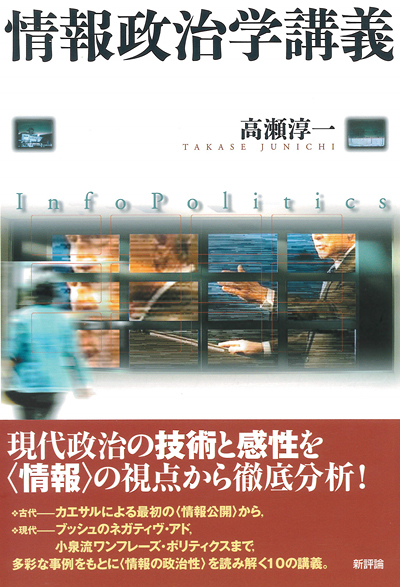
【Book】情報政治学講義 InfoPolitics


【本】高瀬淳一.2005.『情報政治学講義』.新評論.

「民主政治は『説得』で動いている。」という視点は大変良いと思う。ただ、言語による説得をまるで必要「悪」のように扱う姿勢は全く賛成できない。

メディアの偏向は問題ではあるが、情報の流通は良いことである筈。
そこのところを忘れず伝えてもらいたい。

【Book】TAKASE, Junichi. 2005. InfoPolitics. Tokyo: Shinhyoron

"Democracy works based on persuasions." The consistent theme of this book is an obvious but relevant point of view. But cannot agree on the attitude to treat verbal communication to persuade as a "necessary evil".

Bias of media is a problem. But circulation of information is fundamentary a good thing. Hope the readers can remind that when they read this book.

Monday, April 17, 2006

【Comic】私を月まで連れてって fly me to the moon


【漫画】竹宮恵子.『私を月まで連れてって!』.白泉社.

ザ・少女漫画。SFもの。激烈に可愛い。
いやー。こんな可愛い女の子近くをウロウロしていて欲しい。
ヒーロー役のダン・マイルド氏もすこぶる評判良し。
男女感がちょっと古いがそれも許せる可愛さぶり。

【Comic】TAKEMIYA, Keiko. fly me to the moon!. Tokyo: Hakusensha.

THE girly comic. :) SF. Very cute.
Wish if this cute girl (9 years old?) was walking around nearby.
The hero of this story, Mr.Dan Mild is very popular among girls around my age as well. :)
Gender roles are a bit old fashioned.
But because it is away too cute, I can live with that. :p

【Book】トポフィリア Topophilia


【本】トゥアン,イーフー.小野有五・阿部一訳.1992.『トポフィリア』.せりか書房.

うちの学科の必需品・・・かと思いきや読んでる人が意外に少ない。 環境(特に景観美や風景美の感性)と人間の生理・心理特性との関係について。

この本に出てくる場所への偏愛というのは極端でなければ誰でも持つもの。郷土愛の類。 四章の自民族中心主義の説明は大雑把だけど的を射ていると思う。


【Book】Tuan, Yi-fu.1974. Topophilia. Englewood Cliffs, New Jersey: Prentice-Hall Inc.

This book matches with the name of the faculty here. Wonder why only few people read this. This work explore the relationship between sense of beauty of scenery and biological and phycological characters of human being.

Things that this book mentions as "topophilia" is nothing very special despite of the sound of "philia" but something everybody has. If you feel nostalgic when you see the scenery of your hometown, that's topophilia that he is talking about in this book. :)

The fourth chapter talks about ethnocentrism with a very rough grasp. Although "ethnocentrism" sounds a bit too strong, the content makes sense, I supoose.

【Book】危機の二十年 Twenty Years' Crisis


【本】カー,エドワード・ハレット. 井上茂訳.1952. 『危機の二十年』.岩波書店.

国際関係論の初心者が必ず読まされる本。良い本だと思う。

第三章で、日本が国際連盟で人種差別撤廃を訴えるも相手にされず、と書かれているくだりがやはり忘れられない。 歴史の教科書には「国際連盟を脱退して世界の孤児となる」とだけ書かれる時代。その背後にはきっと椅子を蹴って飛び出すに至る紆余曲折がある・・・

「パワー・オーバー・オピニオン」という概念は8章に出てくる。

以下三章より引用。
---------------------------------------------------------
平和会議の国際連盟委員会において、日本代表が、人種平等の問題を提起した。ウィルソン大統領は次のような問を投げた、「この静かな部屋の中で、人種平等について理非を論じてみたところで、部屋の外に出てしまえば、問題にならないであろうのに、どうしてそんなことを」と。その後の歴史には、このような現象の例が多くみられた。(中略)

人類がその国際関係において合理的善に到達することが明らかにできないでいるとすれば、それは人類があまりに愚かであるがゆえに、かかる善を理解することができないでいるためか、あるいは、あまりに邪まであるがゆえに、かかる善を求めようとしなかったためか、そのいずれかであるにちがいない。
----------------------------------------------------------------------------

以下、「第八章 国際政治における権力」より。
----------------------------------------------------------------------------
第三節: 世論を支配する力

 世論を支配する力は、力の第三の形態である。「われらは船ができた、われらは人ができた、われらは金もできた」と唄った「主戦論者たち」は、政治権力の三つの本質的な要素、すなわち軍備・人力・経済力を、正確にみてとっていたのである。しかい、人的力は頭数を単に数えることによって、量られるものではない。ヒュームが論じているように、「エジプトのソルダンとかローマ皇帝は、彼の無辜の民を、彼らの感情も性向も無視して、野獣のように駆使したらしい。しかし彼は、少なくとも、エジプト騎兵団やローマの近衛兵団を、彼らの意見によって人間として統率したにちがいない」。世論を支配する力は、それゆえ、軍事的力や経済的力よりも政治目的にとって本質的でないものではなく、つねに両者と密接に結びついているのである。説得する術は、つねに、政治的指導者の必要品の一つである。修辞は、経世術の歴史において長い名誉ある記録をもっている。だが、宣傅を特に近代的な武器とみる一般の見解は、それにおとらず、たしかに正しいものがある。
 近時、世論を支配する力が、ますます重要視せられてきた最も明白な理由は、政治の基盤が拡大してきたこと、すなわち、その意見が政治的に重要な意味をもつところの人々の数が非常に増大してきたことにある。
------------------------------------------------------------------------

【Book】Carr, Edward Hallett. 1981. The Twenty Years' Crisis. New York: Palgrave.

Something everybody majoring international relation has read once. Very good work.

In its third chapter, this book mentions that Japan proposed at the League of Nations to abolish racial discrimination and nobody listened to it. Our history text book has only one line that Japan withdrew from the League of Nations and became an orphanage of the world. But before it walkouted with anger, there were probably many stories behind.

The important concept of "Power Over Opinion" appears in eighth chapter.

Following is the citation from the third chapter.
------------------------------------------------------------------
In the league of Nations Commission of the Conference, the Japanese had raised the issue of race equality. 'How can you trreat on its merits in this quiet room', enquired the President, 'a question which will not be treated on its merits when it gets out of this room?' Later history provided many examples of this phenomenon. It became a commonplace for statesmen at Geneva and elsewhere to explain that they themselves had every desire to be reasonable, but that public opinion in their countries was inexorable; and though this plea was sometimes a pretext or a tactical manoeuvre, there was often a solid substratum of reality beneath it. (L.O.)

If mankind in its international relations has signally failed to achieve the rational good, it must either have been too stupid to understand that good, or too wicked to pursue it.
------------------------------------------------------------------

The rest below is from "Chapter8: Power in International Politics".
------------------------------------------------------------------
(c) Power over opinion

Power over opinion is the third form of power. The 'Jingoes' who sang 'We've got the ships, we've got the men, we've got the money too' had accurately diagnosed the three essential elements of political power: armaments, manpower and economic power. But manpower is not reckoned by mere counting of heads. 'The Soldan of Egypt or the Emperor of Rome', as Hume remarked, 'might drive his harmless subjects like brute beasts against their sentiments and inclinations. But he must at least have led his mamelukes or pretorian bands like men by their opinions.' Power over opinion is therefore not less essential for political purposes than military and economic power, and has always been closely associated with them. The art of persuasion has always been a necessary part of the equipment of political leader. Rhetoric has a long and honoured record in the annals of statesmanship. But the popular view which regards propaganda as a distinctively modern weapon is, none the less, substantially correct.

The most obvious reason for the increasing prominance attached to power over opinion in recent times is the broadening of the basis of politivs, which has vastly increased the number of hose whose opinion is politically important.
---------------------------------------------------------------------

【Book】中国原論 Chinese Principles


【本】小室直樹.1996.『小室直樹の中国原論』.徳間書店.

駄作。

憲法原論が良かったので手を伸ばしたのだけれど、こちらは失敗。ぶ厚い割りに内容が薄い。何度も何度も何度も同じ話の繰り返し。くどい。うすい。

【Book】KOMURO, Naoki. 1996. Komuro Naoki's Chinese Principles. Tokyo: Tokumashoten.

Poor work.

I felt like reading this because I liked "Principles of Constitution". But this one isn't worth reading. Although it is thick, content of it worth very little. Same stories repeated over and over and over again.

Thursday, April 13, 2006

【DVD】優柔不断な2004年 Indecision 2004


【DVD】コメディー・セントラル.2005.『デイリー・ショウ: 優柔不断な2004年』

三枚セットです。三枚目が一番面白いです。党大会の方はあんまり面白くない。雑誌の記事で読んだ名前の人物を漸く映像で見れました。ああ、こういう人だったのか・・・

【DVD】Comedy Central. 2005. Daily Show: Indecision 2004.

It's a set of three discs. The third one is funniest. The coverage of party conventions is not that much. Eventually became to know how the politicians who appeared in magazine articles a lot look and sound. Ah... so, they look in this way...

Wednesday, April 12, 2006

【Book】日米情報摩擦 US-Japan Information Friction


【本】安藤博.1991.『日米情報摩擦』.岩波書店.

「情報摩擦とは,国家間の摩擦を,国際関係に関する「事実・情報・イメージ」の三相のうち,情報のレベルでとらえたものである。現実の政治関係や経済取引のなかで起こる摩擦の事実そのものではなくて,マスメディアが商品(ニュース等)として提供するための脚色が,程度の差はあれ加わっている。時には誇張,歪曲もともなって,事実から遊離したものとなりかねない。ほとんどの国民大衆は,こうした情報を介してのみ国際関係にふれるから,人々の持つ相手国の国民や,相手国との関係についてのイメージ(意識,世論等)には,情報が決定的な意味を持つ。」

本当に。

新世界情報秩序はチョー大切なわけですよ。
もう、ホントーに解ったぁ?メジャー・メディア!

・・・って絡んでどうする・・・
けどやっぱ2年遅れのコメディを見るのには飽きたわけ!

【Book】ANDO, Hiroshi. 1991. US-Japan Information Friction. Tokyo: Iwanamishoten.

"Friction between countries have three layers; facts, information and image. Information friction is information layer of the three. It is not about the actual facts of politics or trade themselves but it is about information after adaptation by mass-media to provide as commodity(i.e. news). It is sometimes exaggerated or distorted and becomes different from the facts. Because most of the citizens access international relations through such information, information has very conclusive influence to the image (public opinion, impression, reputation...). "

Indeed.

That is why new world information order has meaning here.
Got it? Major media?

...Why am I harassing media people like this...?
Because I'm tired with watching outdated comedy show!!

【Article】脳の意思決定メカニズム Decisions and Desire 


【記事】モース,ガーディナー.2006.「脳の意思決定メカニズム」.『DIAMONDハーバード・ビジネス・レビュー』.31巻4号.60-70頁.

意思決定には、理性(ディベータ的に言うならばロゴス若しくはマター)と感性(ディベータにはパトス若しくはマナー)両方が関係している、という当たり前な内容。脳科学に視点を置いているが、fMRIでわかることは限られていると言明しているところなど好感が持てる。一般の読者に大変わかりやすく書いてある。

【Article】Morse, Gardener. 2006. Decision and Desire. Harvard Business Review. Jan 1, 2006.

Its main message is a very obvious thing. Both rational nature (debaters call this Logos or Matter) and emotional nature(for debaters, it's Pathos or Manner) matters in decision making. Although it's from neuroscience, it also says that there are very limited things that fMRI can clarify and sounds very reasonable and fair. It is very easy to read for readers out of touch with neuroscience.

【Book】ウルトラ・ダラー Ultra Dollar


【小説】手嶋龍一.2006.『ウルトラ・ダラー』.新潮社.

面白い!!

売り文句は「これを小説だといっているのは著者だけだ!」
ですが、どんなに精緻なリサーチをしていても、やはり小説は小説と念頭において読まないといけないと自分に言い聞かせながら読みました。そして小説として面白いと思います。ただ男女関係の描き方が微妙。出てくるのダメ男とダメ女ばかりじゃない?某高官2名がいるか・・・。しかし両方ともパートナーなしの女。何故まともな男,幸せなカップルは出てこんのか・・・

北朝鮮のドル札偽造事件についての作品です。

手嶋龍一のオフィシャル・サイトへはこちらから。

【Novel】TESHIMA, Ryuichi. 2006. Ultra Dollar. Tokyo: Shinchosha.

Worth to read.

Although the publisher advertised this book saying "the author is the only person who insists that this book is a novel", I told myself many times that this is a novel. I respect the detailed
research Teshima conduct all the time and it does make this novel very realistic. Good novel. All the romances in this story are doomed though... Why there is not a happy couple in this story at all?

This is about the relationship between North Korea and the bogus note found in Ireland.

You can jump to the Teshima Ryuichi's official site here.

【Book】美を脳から考える Beauty and the Brain


【本】インゴ・レンチュラー他.野口薫・芋阪直行監訳.2000.『美を脳から考える』.新曜社.

美的感性には、人類共通のものと、文化的なものがある。この本は主に前者、先天的な部分についてです。

序文では「事物の美はそれを想う心に宿る」というディビッド・ヒュームの言葉をひいています。おそらくその説明を脳の構造に求めているのだと思われますが、それはちょっと大雑把すぎるように思います。

【Book】Rentschler, Ingo;Herzberger, Barbara and Epstein, David. 1988. BEAUTY AND THE BRAIN : Biological Aspects of Aesthetics. Basel: Birkhauser Verlag AG

If you categolize sense of beauty to two; universal one for all human beings and cultural one, this book is about former one.

It cites David Hume's words in the first chapter. "Beauty in things exist in the mind which contemplates them". It seems that this book find the explanation of it in biological structure of our brain and I think it might be a bit too rough.

Tuesday, April 11, 2006

一体どこから? Where did this come from?


最近、配置換えがありデスクの位置が微妙に変わりました。プリンタまで行くとき、まだ目を開けていないといけません。

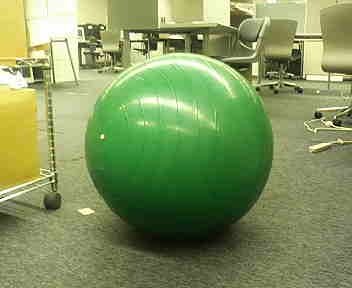
さて、今日はそろそろ帰ろうかなぁ、と思って最後の印刷物をプリンタまで取りに行こうとしたらこの通り。謎の物体が行く手を塞いでいました。(いえ、全然通れますけどね)

ナニ?コレ?

疲れ目のせいで見た幻覚ではないと証明するべくシャメしてしまいました(笑)

おそらく今も忙しく作業している両側の人々のどちらかのものなのでしょう...これで何するのか興味津々ですが、夜も更けているので帰ろうと思います。お先にー。

Recently, there was a relocation of desks in this office and my desk also moved a little. So, I can't come to printers with eyes shut yet. Will get used to it soon.

Anyway, because it became pretty late, I thought it's about time to go home. And I went to the printer for getting the last documents for today printed out. Suddenly, a big round thing was stucking in the middle of the walk space.

...What this??

I took its photo just to confirm that I wasn't seeing illusions due to the tiredness. :p

It should belong to either person still working here next to me on both side. I'm very curious for what he brought this but too tired to ask. So, sorry, colleagues, I need to sleep. :p

【Book】脳の探検 Brain, Mind, and Behavior


【本】ブルーム,フロイド・E.1985.『脳の探検』.久保田競監訳.講談社.

基礎的なことをザザーッとお浚いするのに便利。カラーのイラストも豊富。ちょっと古いのが難点。

ブローカ野とウェルニッケ野について触れているのは、「第八章 思考と意識」の154頁以降。

【Book】Bloom, Floyd. E. 1985. Brain, Mind, and Behavior. (Translated to Japanese by Kubota, Kisou et al. Tokyo: Kodansha)

When I need to check very basic information, this book is helpful.
With a lot of colorful illustrations. A little bit old though.

The part which touch upon Broca's area and Wernicke's area is in 8th Section. (In Japanese translation, p.154 and later)

【Internet】投票所まで笑って突っ込め Laughing All The Way To The Ballot Box

【ネット】ロング,ブライアン. 2004.「『デイリー・ショウ』の視聴者は政治クイズでピカイチ」.CNN.com. 9月29日 東部夏時間午後4:17 (グリニッチ時間20:17).
中ほどの「あなたもクイズにトライ」をクリック。
2004年米国大統領選物知りクイズに挑戦できます。
あなたのレベルはどのくらい?

ちなみに以下が私の結果(笑)
ええ。どうせニュースオタクです。
(ていうか質問が簡単すぎです)
----------------------------------------------------------------
あなたは初挑戦時、6問中6問正解でした。
すばらしい!!
でもいつ寝てるの?

他の人の平均値と比べてみよう!
・ジョン・ステュワートの「デイリー・ショウ」の視聴者: 3.59問正解
・ジェイ・レノの「トゥナイト・ショウ」の視聴者: 2.95問正解
・ディビッド・レターマンの「レイト・ショウ」の視聴者: 2.91問正解
・深夜のお笑い番組は見ない人: 2.62問正解
---------------------------------------------------------------

つーか、半分も当たってないじゃないですか!
大丈夫か、アメリカ国民!

【Internet】Long, Bryan. 2004. 'Daily Show' viewers ace political quiz.
CNN.com. September 29. Posted: 4:17 PM EDT (2017 GMT) .

Click "Take the quiz" link in the middle of the article.
You can take a test about U.S. Presidential election 2004.
Which range of score do you position?

This is the result of mine! :D
Yes, I'm a news geek, alright.
(Actually, the questions are very easy)
--------------------------------------------------------
You got 6 out of 6 correct on your first attempt.
Excellent work!
But when do you sleep?

Check your score against these averages:
• "The Daily Show" with Jon Stewart viewers - 3.59 correct
• "The Tonight Show" with Jay Leno viewers - 2.95 correct
• "Late Show" with David Letterman viewers - 2.91 correct
• No late-night comedy viewing - 2.62 correct
------------------------------------------------------------

Wait a minute. People can answer less than a half of the questions?
Are you doing okay, American friends!?

【Article】理由、ロボットそして心 Reasons, Robots & Mind

【論文】クラーク,アンディ.2001.「理由、ロボット、そして心」.『心と言葉』.16巻2号.121-145頁

この論文の主題は「どのようなメカニズムが理性を成立させるのか?」。

「我々の脳が特殊なのは疑いようはない。しかし、理由付けする者、思考する者、知ろうとする者としての我々の特殊性を理解するためには、更に広い視野が必要である。人工物・外部記号・科学や芸術と文化の様々な基盤。それらを伴った環境における脳と身体を対象とすることである。」

という部分も印象に残った。

【Article】Clark, Andy. 2001. Reasons, Robots and the Extended Mind. Mind & Language. pp.121-145

The main theme of this article seems to me "How is rationality mechanically possible?"

The following part was also memorable for me. :)

"No doubt there is something special about our brains. But understanding our peculiar profiles as reasoners, thinkers and knowers of our worlds requires an even broader perspective: one that targets multiple brains and bodies operating in specially constructed environments replete with artifacts, external symbols, and all the variegated scaffoldings of science, art and culture."

Monday, April 10, 2006

【Article】曖昧さの認識説 Epistemic Theory of Vagueness

【論文】ジャクソン,フランク.2002. 「言語、思考、曖昧さの認識説」.『言語とコミュニケーション』.22巻3号.269-279頁

この論文は曖昧さの認識説に反対の立場です。

禿げているかどうかはどの時点で判定できるか、というイントロが笑いを誘う。しかし蓋を開けるとそれはただのイントロではなく、なんと最後までその例でひっぱるという、頭髪にコンプレックスのある人は不快な思いをしそうな一品。テーマの割りに読みやすいです。

【Article】Jackson, Frank. 2002. Language, thought and the epistemic theory of vagueness. Language & Communication. Vol.22 Issue3. pp.269-279

This article is against the epistemic theory of vagueness.

How much bald a man turns makes you say he is bald? That is an example to let readers get the idea about the theory. He opens his case with this example and actually, uses this same example until the end of this article. People who have complexed feeling about their hair might get offended. But very easy to read while the theme is a complicated one.

【Article】超結合説 Radical Connectionism

【論文】オブライエン,ジェラルド・オピー,ジョン.2002.「超結合説:言葉で(なしで)考える」.『言語とコミュニケーション』.22巻3号.313-329頁

実験の類は全く含まれていない、高度に抽象化された仮説。この論文は人間の認知活動には抽象化された情報は関係していないという立場である。自然言語は認知活動に適していないと考えているようだ。自然言語がどれほど人間の思考を表象しうるか、というテーマは大変興味深い。久々に読み直したい。

【Article】O'Brien, Gerard and Opie, Jon. 2002. Radical connectionism: thinking with (not in) language. Language & Communication. Vol. 22 Issue 3. pp.313-329

This article doesn't involve experiences or anything like that. It is more about highly symbolized model about human capacity for language command and thoughts. This article takes the position that "cognition never implicates an internal symbolic medium, not even when natural language plays a part in our thought processes". The author thinks that natural languages are not representing human thoughts and as for cognitive activities, internalised language works better. The theme about how much natural language can represent human thoughts sounds very interesting to me. Hope to read this soon again.

【Book】一九九一年日本の敗北 1991: Japan Lost


【ルポルタージュ】手嶋龍一.1993. 『一九九一年 日本の敗北』.新潮社

ある日突然勃発した湾岸戦争。侵略戦争に立ち向かうべく、国際社会は急速に結束する。そんな中、日本政府は頭を抱えた。

①「命の盾」となった邦人たち
②米国との同盟関係に入る亀裂
③九条解釈に揺れる国会論議
④縦割り省庁の縄張り争い
⑤日本経済の生命線である湾岸石油の危機
⑥吹き荒れるジャパン・バッシング...

課題は山積み以上の状態だった。他国籍軍の戦費を賄うため、90億ドルの緊急増税を受け入れた日本人は呆然とした。日本では税金も「血税」と表現される。けれど国際社会は文字通りの意味での「血」の貢献を求めているのか。九条は全くのナンセンスだったのか?安全保障上の大きな転機となった湾岸戦争を精緻な調査の元に読み解く好書。

私は当時NHK特派員だった手嶋龍一のこの本のおかげでルポルタージュものに目覚めました。

【Reportage】TESHIMA, Ryuichi. 1993. 1991: Japan Lost. Tokyo: Shinchosha

Persian Gulf War stroke the international society suddenly. While international community formed the multi-national force very fast, Japan was stuck very badly.

1) Japanese citizens captured and became "Human Shield"
2) Crisis of US-Japan alliance
3) Shaking Diet with heating debate over the Article 9 (prohibiting intervention in foreign war)
4) Endless Fights over the turf among ministries
5) Risking the oil supply from Persian Gulf which was (and is) a life line of Japanese economy
6) Stormy Japan Bashing

It was something more than just a pile of problems. Japanese tax payers accepted emergent tax increase for raising 9 billion USD to support the multi-national force. And then, they found that international society was expecting "blood" tax in literal meaning. (In Japanese, ordinary tax is also expressed as "blood tax") So, was the Article 9 just a huge piece of nonsense at the end of the day? That became a significant turning point for the debate over Pacifism in Japan. This book explains what was the Persian Gulf War for Japan based on a very detailed research.

This excellent work of Teshima Ryuichi who was a senior correspondant of NHK back then told me how powerful a reportage can be. :)

【Book】バイバイ、エンジェル Bye-bye, Angel


【小説】笠井潔. 1995. 『バイバイ、エンジェル』. 東京創元社

パリで起きた殺人事件の探偵役は、珍妙な宗教観の日本人矢吹駆。何故か現象学的アプローチが捜査の最善策だと信じている。まるで自分ひとりがこの世の真実を知っているかのような鼻持ちならない態度。
何よりも謎なのは、可愛いパリジェンヌなヒロインが彼に惚れるところ。しかも駆君は歯牙にもかけない。

っっっっっなっっんだっっ、そりゃっ!!
何様だ、この男は!

しかし、シリーズ通して全部読んでしまった私。
『サマー・アポカリプス』『薔薇の女』『哲学者の密室』と続きます。

テロルの論理やカタリ派の信仰について触れているところが、面白いと言えば面白かったです。

【Novel】 KASAI, Kiyoshi. 1995. Bye-bye, Angel. Tokyo: Tokyo Sougensha

A murder case in Paris. The detective here is a Japanese with very geeky, geeky religious belief, Yabuki Kakeru. He somehow believes that phenomenological approach is the best method at investication spots of murder cases. And he behaves as if he is the only person on earth who know the truth of this world. And the strangest thing of all is that the heroine, a very cute Parisienne, becomes enamored with Kakeru. And Kakeru doesn't give a fig for her.

wwwwwWWhat? How come it's possible?
Who in heaven does he think he is???

Hahaha. :D But I read all the works in this Yabuki Kakeru series.
It continues to "Summer Apocalypse", "A Woman of Rose" and "Locked Room for A Philosopher".

It add some tastes with backgrounds of concepts of terror and revolution in Europe, belief of Cathors and so on. That part is a little interesting.

【DVD】占領地への道程 Journey to the Occupied Lands


【ドキュメンタリー番組】「占領地への道程」(PBS Frontline)

秀作。

ガザ地区、ヨルダン川西岸地区を3年に渡って訪れる。
ユダヤ居留民とパレスチナ住民の視点を交互に取り上げる。
両側の言い分を淡々と聞いていく中で、和解への道の険しさがひしひしと伝わってくる。

土地所有のコンセプト自体が両者でかなり違うというところが勉強になった。

「世界で一番長い憎しみ」が、どちらかというとユダヤ人の視点で撮られているのに比べると、こちらはどちらかというとパレスチナ人の視点であるように思える。

【Documentary Program】 "Journey to the Occupied Lands" (PBS Frontline)

Great work.

In this film, the director interviews both Jews and Palestinians visiting Gaza and West Bank in three years. Both parties explain their perspectives with very plain English words. (I wish if I could understand Arabic language...) But in such a calm, plain, ordinary daily life, we can see how it is difficult for them to reach agreements and mutual compromises.

It told me how their concepts of "owning land" are different each other.

Comparing to "the Longest Hatred" which projects Jewish perspective more, it seems to me that this program show more Palestinian perspective.

Sunday, April 09, 2006

【Book】知識人とは何か Representations of the intellectual


【本】エドワード・サイード. 1998. 『知識人とは何か』(大橋洋一訳)東京:平凡社

ディベートはリベラル・アーツの中のリベラル・アーツだ、と書いたのは、並木周さん(並木周(1997)21世紀に向けアカデミック・ディベートはどうあるべきか『ディベート・フォーラム』全日本英語討論協会出版会p20)。サイードのこの本を読むと、並木さんの言葉が思い出される。

サイードの考える知識人は、博識な人という範囲を大きく越えている。そこには猛烈な倫理観だか哲学だかに裏打ちされた責任感が見える。そしてその責任とは、どうやら良いディベータであることのようだ。(ディベータが良い知識人だ、ということではなくて、知識人が良いディベータなのですね。逆は真ではないのが残念。)

例えばこんなことが書いてあります。

  • 知識人とは亡命者にして周辺的存在であり、またアマチュアであり、さらには権力に対して真実を語ろうとする言葉の使い手である。
  • またこのようないとなみを成功させるには、劇的なもの、反抗的なものに敏感に反応するような感性を養い、ただでさえすくない発言の機会を最大限利用し、聴衆の注意を一身にひきつけ、吉とユーモア、それに論争術で敵対者を凌駕するよう心がけねばならない。(中略)知識人には、虚飾と尊大な身振りよりも、自己に対する冷笑こそ似つかわしく、言葉を濁すことよりも、ずけずけものを言うことのほうが似つかわしい。
  • わたしにとってなにより重要な事実は、知識人が、公衆に向けて、あるいは公衆になりかわって、メッセージなり、思想なり、姿勢なり、哲学なり、意見なりを、表象=代弁(レプリゼント)し肉付けし明晰に言語化できる能力にめぐまれた個人であるということだ。
うーん・・・なんだか凄く「このままじゃいかん!」って思わされたり(笑)。良い知識人でも良いディベータでもない自分がチョー役立たずに思えます。チャンスには恵まれてる筈なのに・・・うう・・・まあ地道な努力が大切ですよね・・・

【Book】 Said, Edward W. 1994. Representations of the Intellectual, The 1993 Reith Lectures. London: Vintage

It's Namiki Shu-san who wrote that debate is liberal arts of liberal arts (Shu Namiki (1997) Academic Debate toward Next Millennium, Debate Forum, Volume XII Number 4, NAFA Press, Tokyo, p20). When I read this Said's work, I remind the words of Namiki-san a lot.

The intellectual that Said talk about in this book is far beyound knowledgeable people. It seems that he saw incredibly heavy responsibility of them backed by ethics, philosopy or something in that kind. And the responsibility is to be a good debater. (It doesn't mean that debaters are good intellectuals but intellectuals are good debaters. Unfortunately. :p)

He says in this book, for example,
  • Hence my characterizations of the intellectual as exile and marginal, as amateur, and as the author of a language that tries to speak the truth to power.
  • It involves a sense of the dramatic and of the insurgent, making a great deal of one’s rare opportunities to speak, catching the audience’s attention, being better at wit and debate than one’s opponents. And there is something fundamentally unsettling about intellectuals who have neither offices to protect nor territory to consolidate and guard; self-irony is therefore more frequent than pomposity, directness more than hemming and hawing.
  • The central fact for me is, I think, that the intellectual is an individual endowed with a faculty for representing, embodying, articulating a message, a view, an attitude, philosophy or opinion to, as well as for, a public.

This book makes me feel "I have to work harder!!". :p Because I'm not either good intellectual or good debater and feel so guily for not being so despite of tons of opportunities to learn debating...mmm... Well, one step a time, ne! :)

【DVD】マック毀損 McLibel


【ドキュメンタリー映画】 『マック毀損』 (2005)

最高に好み。ストライクゾーンでした。

メディアや市民団体が「マクドナルドは健康や環境,動物の権利に悪い」といい始めた時,マクドナルドは「謝罪しなければ起訴するぞ」と言いました。世界的なメディアが次々と降伏していく中,1人の植木屋さんと1人の郵便やさんが立ち上がる!!「大企業を批判する権利を守れ!」

しかし,そうそうたる顔ぶれの弁護団を擁するマクドナルドに対し,この二人にはLegal advisorすらいない状態。しかも証明責任は一方的に彼らの側に。負けたら禁固刑!という闘いを前にそれでも降伏しない二人。

1985年から実に15年間、言論の自由と名誉毀損訴訟を公平にするため、闘い続けた素人二人組みの話。 音楽がちょっと安っぽいが,それさえも心地よいヒロイックな物語。これがドキュメンタリーだなんて凄い!

【Documentary Film】 McLibel (2005)

This is right in my strike zone. :) I love this film!

When mass-media and NPOs started criticizing McDonald for providing unhealthy food, bad for environment, poor labor condition, etc. etc..., McDonald responded immediately. "If you don't apologize, you are going to be sued." When even giant media surrendered one after another, two people stood up. One was a gardener. Another was a postman. "Protect our right to criticize big corporations!"

But while McDonald had a very high standard (and expensive) lawyer's team, they didn't have even a legal advisor. And burden of proof is completely on them not McDonald. If they lose, that means that they would spend years in jail! And they still don't surrender.

Since 1985, for 15 years, the two lay people fought for freedom of speech and fairness of libel cases. BGM is a bit cheezy. But so what!? Even cheezy music makes me so tuned into this heroic story. It's a surprise that this is a documentary.

【Book】報道戦争 War in Journalism


【本】江口浩. 1997. 『【TOKYO発】報道戦争』.東京:晩聲社.

率直な本だと思いました。

共同通信社に長年(1960年から)勤めた著者が、日本の情報赤字の原因について意見を述べている。彼の説明は現場を知っていることから来る現実味に溢れている。

特に、アジア太平洋放送連合の1994年の総会テーマが、「アジアは発信する」だったと書いてある部分では、色々考えてしまった。

アジア太平洋放送連合(ABU)のホームページはこちら

【Book】 Eguchi, Hiroshi.1997. 【From Tokyo】war in journalism.Tokyo: Bansansha.

Very straight forward.

The author has worked for Kyodo Press since 1960. And he explains how he see the cause of the "information trade deficit" of Japan. His detailed explanation knowing the real spots of journalism sounds very realistic.

Especially when I read that the theme for the general assembly of Asia-Pacific Broadcasting Union in 1994 was "Asia speaks out", it made me think a lot of things.

If you feel like figuring out about Asia-Pacific Broadcasting Union (ABU), visit here.

【Book】ニュースの国際流通 International Circulation of News


【本】伊藤陽一編.2005.『ニュースの国際流通と市民意識』.東京:慶應義塾大学出版会.

発展途上国に関するニュースを目にする時、何故それはいつも、いつも、災害や戦争の悲惨なシーンなのか。そこには悲惨さ以外に見るべきものがないのか。マスメディアは視聴者が見たいものを届ける。そして私たちは・・・彼らの不幸を観たいのだろうか・・・?そうした大事件の報道は勿論大切。でも適切な配分がされているだろうか。

情報の平等という概念は、まだまだ浸透していないと思う。マクブライド報告書はもう忘れ去られたかのようだ。ディベート界を見ればそれは一目瞭然だ。遅々とした歩みに苛立ちもするけれど、だからこそ一歩一歩の進歩が心から嬉しい。

マクブライド報告書の説明はこちら

【Book】 Ito, Yoichi, ed.2005.International circulation of news and civic sense.Tokyo: Keio University Press.

When we watch news from developing countries, why they are always, always about misery such as natural disasters, wars, corruptions...etc... There aren't anything more than misery? Reputation and image of the countries are formed by what media tell us. Mass-media project what their viewers want to see. And do we, the viewers wish to see their misery? Of course reports on such big incidents are important. But are they proportionate?

The idea of Equality of Information seems unfortunately uncommon yet. It seems as if nobody remembers what was the MacBride Round Table on Communication. If you see debating community, it is clear that it is not. I'm irritated so much at the slow, slow, very slow improvement on this issue. But that is also why I feel such a huge happiness with each small step forward. :)

If you are interested in the MacBride Round Table on Communication, click here.

【Book】記憶の形象 Embodiment of Our Memories


【本】槙文彦. 1992. 『記憶の形象』.東京:筑摩書房

最初にこの本を読んだ時は、まだ景観保存の勉強をしていた。
自然読むときの焦点は、建築家としての槙文彦にあった。
今になって読み返すと、建築・景観・都市といったキーワードを抜きにしても面白い本だと思う。

今回特に興味深く感じたのは、彼がどうやって学生運動と向き合ったかという部分だった。歴史に触れずにデザインを語るのは至難の業だ。学生に「過去に囚われたくない」と言われてしまったら、どうやって彼のデザインや技術、発想の新しさを伝えれば良いのか?コルビジェについてすら語ることを拒否されてしまった中での試行錯誤。コミュニケーションと記憶の「継承」について考えさせられる日々。拒否するからには対案を出せ、という著者の言葉に胸を打たれる。

【Book】MAKI, Fumihiko. 1992. Kiokuno Keisho [Enbodiment of Our Memories] . Tokyo: Chikumashobo

When I read this for the first time, I was studying about townscape preservation. Obviously, my focus was on Maki Fumihiko as an architect. But when I read this again now, I find this book interesting not only as a book about city planning and architecture designing.

The part I felt most interesting this time was how he dealt with "student power" at Harvard. It must be very difficult to talk about design without touching history behind it at all. When the students refused to learn about "past" -even refused to hear the name of Corbusier, how was he supposed to run a class on architecture designing? He thought a lot about the relation between communication and embodiment of our memories. His words like "if you refuse current models, you have to come up with an alternative." makes sense to me as a debater now.

【TV】日報番組 The Daily Show


【テレビ番組】 ザ・デイリー・ショウ with ジョン・ステュワート(コメディー・セントラル)

え?悪趣味?うふふ。

でも好きです。
政治風刺の効いた番組って、笑えるだけじゃありません。
笑えなかった時が大切。
「え?何?どういう意味?」と思ったら勉強不足ってこと。
英語圏の視聴者が当然知っているであろう何かを知らないからその冗談が解らないということです。それが何なのかを調べる切欠になります。

例えば今日、私が解らないのは「Rice A Rongi」の意味。
ライス長官の名前の略称、コンディのパロディなのは解るのだけど・・・
rongiってどういう意味?わからん・・・

The Daily Show(TDS)は、サウス・パークで有名なコメディー・セントラルの偽ニュース番組です。
ブラックな風刺が続く続く。よくぞここまで。怖いものなしですね。
クダラナイ!と思うネタもあれば、ヒーッと顔が青くなるようなネタまで。
マイケル・ムーアの「アホでマヌケなアメリカ白人」が好きな方なら、おそらくこれも好き。

【TV program】 The Daily Show with Jon Stewart (Comedy Central)

What? Bad taste? Ufufu.

Well, I can't lie. I still like it.
Sarcastic programs are not just funny.
But it tells you a lot when you CAN'T laugh.
When you can't laugh, it means that there's something you need to learn.
It means you don't know something that all the ENL viewers are supposed to know.
As a person who lives in an English as a Foreign Language country,
it is important to check what you know and what you don't.

For example, an expression I don't get is "Rice A Rongi".
I see it's a parody of Condi which is, of course, nick name of Condoleezza Rice.
But what "rongi" means...??

"The Daily Show(TDS)" is a fake news program on Comedy Central known with South Park.
Just black humor and sick jokes goes on and on.
It's a surprise how sarcastic a TV program can be.
It doesn't give you decent information at all.
But funny.
If you like "The Awful Truth" by Michel Moor, you probably like this as well.

【Comic】大奥 Shogun's Harem


【漫画】よしながふみ.2005.『大奥』.東京:白泉社

笑えます。

もし、足りないのが女じゃなくて男だったら。
将軍も男でなくて女だったら。
女3000人ならぬ男3000人の大奥。
男女逆転歴史 SF。

時代設定の細かいところまでそのままで性別だけ逆転というパラレルワールドがかなり笑えます。若い男の子が御三の間で縫い物している姿が特にツボでした。だはははは。大岡越前も女だし(笑)

【Comic】 YOSHINAGA, Fumi. 2005. Ouoku [Shogun's Harem]. Tokyo: Hakusensha

Hilarious.

What if it was not female population but male one that decreased in Edo era?
What if Shogun was not a man but a woman?
Not three thousands women in the harem (Ouoku) but three thousands men in it!?
Gender reversal period SF.

All the historical details are the same. Just the gender is reversal. It's such a parallel universe. Especially, the scene that a young boy sewing in Osannoma (a special room for sewing in Ouoku) made me laugh loud. Dahahahaha. And Ouoka Echizen (a famous court judge in Edo era) is a woman in this story :D

【Book】今はもうない Switch Back


【小説】森博嗣.1998. 『今はもうない』. 講談社

犀川&萌絵シリーズが好きです。
(よくS&Mシリーズってかかれてるんですけど、 S&Mって普通違う意味ですよね...)

その中でも一番好きな作品がこれ。
「今はもうない」。
他の作品よりちょっとロマンス度が高いかもしれません(笑)

最近読み返す暇もありませんが、また読みたいな。 最近森ファンのオフ会とか企画されているのを見ると、 ちょっとうずうずしてしまいます。

以下、同シリーズ「封印再度」から爆笑したシーン。
------------------------------------------------------------
「なくしたときに探しにくいものベストスリーに入るわ。だって、これって、キーホルダーみたいなもの、付けておけないもの。そうでしょう?ねぇ、西之園さん……。ベストスリーのあとの二つは何だかわかる?」
「さあ、何かしら……」友人は小首を傾げて目を丸くする。「自信と……、信仰ですか?」
「いやぁねぇ。違うわよ。仕事と恋人よぉ……。貴女、本当に現代に生きてる人?」儀同は溜息をついて再びバッグを持ち上げた。
--------------------------------------------------------------------------------------

ちなみに昨日友人と飲んだ後ほろ酔い加減で帰ったら、
なぜか夢の中で保呂草さんと崖の修復工事をする羽目になりました。
変な夢だった・・・

【Novel】 MORI, Hiroshi. 1998. Switch Back. Tokyo: Kodansha

I like Saikawa&Moe series among Mori Hiroshi's works.
(It is often abreviated as S&M series.
But S&M usually means something different, if I'm not mistaken...)

And my favorite one in the favorite series is this one.
"Imawa mou nai: Switch Back"
Maybe it is a little bit more romantic than other works. :)

I don't have much time for reading it again recently.
But I see some "off-line meetint" of Mori Hiroshi's fans planned
and get itchy feet. :p

The following is one of parts I laughed. From "Who Inside" of the same series.
--------------------------------------------------------------------------------------
"If we list the most difficult things to find once we lose,
this would be surely included in the top three.
Because we can't attach something like key rings to it.
Don't you think so, Nishinosono-san?
What do you think would be the rest two in the top three?"
"Well...I don't know..."
The friend leaned her head to the side with wide eyes.
"perhaps...confidence and faith...?"
"No way. They are job and lover... I sometimes wonder if you really grew up in this century."
Gido sighed and picked her bag.
--------------------------------------------------------------------------------------

BTW, when I came back home last night after going for drinking with a friend,
I was a little bit drunk.
And in the dream, for some reasons I have no idea about,
I had to do construction work with Mr.Horokusa. :)
Strange dream...

Friday, April 07, 2006

【Book】憲法原論 Principles of Constitution


【本】小室直樹.2006.『日本人のための憲法原論』.集英社

読んじゃいました。
笑い狂いました。
面白い。

単純化しすぎかもしれないけど,判りやすいのは大切だと思います。
民主主義と資本主義についてサクッと30秒の説明ができるようなスキルが欲しければ一押し。

終盤70ページくらいはちょっと強引すぎるように感じました。おそらく前半部分も同じくらい強引なのでしょうが気づくだけの知識が私にはないのでしょう。まあ,強引でも一つの見方として一貫性が高いから良いんじゃないでしょうか。

文体が嫌い,馬鹿にしている,傲慢...という人も多いようですが,
74歳のお爺ちゃんに子ども扱いされたと怒っても仕方なくないですかね(笑)

492頁あるので、まあ、読むのもちょっとかかります。
私の場合トータルで6時間かかったと思います。
でも6時間の価値はあったかな。

-----------------------------------------
いったい刑事裁判は誰を裁くためのものか。
それは検察官であり、行政権力を裁くためのもの。
裁判で裁かれるのは、被告ではありません。
行政権力の代理人たる検察官なのです。(p.42)
-----------------------------------------
 国家権力をもってすれば、どんな証拠でもでっちあげられるし、拷問にかけて嘘の自白を自由に引き出す事だって簡単にできる。そこまで意図的ではないにしても、誤認逮捕などはしょっちゅう行われているに違いないと考えるのが近代裁判なのです。
 言うなれば検察=性悪説が近代裁判の大前提。国家はひじょうに強大な権力をもっているのですから、その権力の横暴から被告を守らなければならないというわけです。
 ですから、刑事裁判では検察側に1点でも落ち度があれば、ただちにアウトです。少しでも法に触れる捜査をしたり、手続き上のミスが1つでもあったり、真実の証明が少しでも不完全ならば、検察は負け、被告が勝つ。鵜の目鷹の目で検察側の落ち度がないかを調べるのが、裁判官の本来の仕事です。(p.44)
-------------------------------------------
 しかし、ここで「警察は場合によっては法律を無視してもよし」という前例ができたら、次はどうなりますか。一人の犯罪者を逮捕するために法律が無視されたことで、その後、無実の人がどんどん刑務所に放り込まれてもいいのですか。
 近代法の思想を一言で言うと、「1000人の罪人を逃すとも、1人の無辜を刑するなかれ」ということにあります。
 権力の犠牲になって、無実の人が牢獄に送り込まれることだけは、何としてでも避けなければならない。権力の横暴を絶対に許してはならない。
 みなさんもご承知の「疑わしきは罰せず」という原則も、ここから誕生したのです。 つまり、検察側が勝利を収めるためには、犯罪を完璧に立証しなければならない。そこに少しでも疑問の余地があってはいけないし、ましてやデュー・プロセスの原則を踏み外してもいけない。検察側はパーフェクト・ゲームが求められているわけです。
 もちろんその結果、ジョンソンのような犯罪者が無罪になることがあるかもしれない。しかし、その害よりも権力の害のほうが文句なく大きいと考えるのが、近代法の精神であり、デモクラシーの精神なのです。1人の犯罪者ができる悪事より、国家が行う悪事のほうがずっとスケールも大きいのです。(p.50)
-----------------------------------------
 国家権力というのは、恐ろしい力を持っている。警察だって軍隊だって動かすことができる。(p.53)
-----------------------------------------

【Book】 KOMURO, Naoki. 2006. Nihonjinnotameno Kenpo Genron (Principles of Constitution for Japanese). Tokyo:Shueisha

I recently read a brandy new book of Komuro Naoki. (I can easily imagineyour facial expression here. :p) But it was fun!! I think his simplified explanation is very useful in debating.

I disagree with himespecially in the last 70 pages but I learned a lot from this book. :)
His explanation on democracy and capitalism makes sense in many ways.

People say that he is arrogant and oh, well, he is.
But he is indeed knowledgeable as well.
And he is 74 years old.
Can't blame him for treating us like kids. ;)

It has 492 pages.
It took me 6 hours to read through.
But I guess it's worth 6 hours. :)

開始 kick off


これまでSNSで日記を書いていました。
不便だな、と思ったのは複数のSNSに別々に投稿しなければいけなかったから。
それと、日本のSNSは日本語だけなので海外の友人とはシェアできないから。
いっそのことと思い切って外部ブログにしてみます。
これで誰でも読める筈。

兎聲舎という名前は、「兎の声が聴こえるところ」というような意味でつけました。

私長らくディベートの国際大会なるものに参加してきました。
ちなみに帰国子女でもなければ留学経験もありません。
海外生活経験ゼロ!英語ド下手!なのに、
英語圏の猛者たちの相手をさせられてきたわけです。

そこで感じるのは、いかに言葉の壁の厚いことか。
そして、言葉の壁というのは、
いわゆる「英語力(文法・語彙・発音など)の不足」だけではない、ということです。

何よりも大きいと感じたのは、メディアの差。
英語圏の人の知っていることを私は知らない。
私の知っていることを英語圏の人は知らない。
だからコミュニケーションが上手くいかない、といったようなことです。

日本に国際通信社が欲しい、1980年代からそうした声は聞かれました。
大量のニュースを英語圏から輸入している。
しかし日本のメディアは英語で発信することができない。
日本は「口のない兎の国」(耳だけは長い)だ、と。
本当にそうなのだなぁ、と海外の選手と議論を闘わせる時思うのです。

折りしもNHKの国際化が議論されています。
通信社は殆ど諦められたようですが、国際テレビ局なら、といったところでしょうか。
今度は実現してくれたら良いなぁ、と思ったりします。

何より、
「日本人だから世界が自分の意見を聞いてくれるわけがない」
と思わなきゃいけないような社会であって欲しくない。

誰であろうと、
何処で生まれようと、
何処で育とうと、
意見を言う権利が皆にある。

私はそう信じていたいです。

なので、ほんの少しでも、
私なりの意見を、言葉の壁に負けず発信してみたい。
小さな兎なりに、一生懸命見て聞いて、意見を言いたい。
ここはそんな草の根的な努力の場にしたいと思います。

兎の聲よ、世界へ届け。

I have been blogging on SNS for a while.
The things I felt a bit inconvenient were...
1. Had to post same contents to plural SNS separately
2. Couldn't share it with friends who don't use SNS
(especially with friends abroad because SNSs I have been using were in Japanese)
So, I'm starting this blog outside of SNS.
Hope everybody can access now. :)

The name of this blog, "Toseisha" means "place where you hear voice of a rabbit".

I have been debating at international debating tournaments.
I'm not a "returnee" or somebody educated abroad.
I have no experience of living abroad at all.
My English was awful when I started.
But! I had to argue against English native speakers.

What I found is that the language barrier is indeed huge.
And the language barrier is not just about lack of language command.

What I felt most crucial was difference of media coverage.
I do not know what people in English spoken countries know.
People in English spoken countries do not know what I know.
And that's why it is so difficult to communicate each other.

Since 1980s, there have been many Japanese who said that we needed an international news agency.

They said.
"Japan is importing such an enormous amount of news from English spoken countries every single day. But it can't send any message from it at all. Japanese trade deficit in terms of information is huge. Japan is a 'rabbit without voice'."
I felt it was very true whenever I debate with friends abroad.

Recently, Japanese Diet is discussing on "internationalization" of NHK.
They gave up international news agency.
They now aim to international TV channel.
Hope it will come true this time.

But further more, I don't want to see the situation that people give up speaking up.
"As long as I am Japanese, there's no way the world will listen to me"
If people think in such a way, it is such a hotbed of unhealthy nationalism, I suppose.

"Whoever you are,
Whereever you grew up,
you have right to represent yourself."

I hope to choose to believe in this way.

That is why I hope to make my humble try to send messages here despite of the language barrier annoying me all the time. I might be a tiny rabbit. The things I think in everyday life might be very trivial. But I want to be a rabbit that make earnest efforts to listen to others' voices and respond to them.

So, voice of a rabbit, reach the world!!

Saturday, March 18, 2006

Titech 1日目

現在中華の店で料理待ちです。隣のテーブルがサマータイム制導入について熱くディベートしていて気になります。素人さんと思われる女性客二人ですが、侮れない分析力です。すごい。

食べ終わって電車の中です。べらぼうに美味しかったです。あんな所に隠れた名店が!安い、旨い、多い!と三拍子揃っていました。好物の酸辛タンメンを頼んだのですが、定番の卵と鳥肉と椎茸の他に、海老・イカ・豆腐・長葱が大量に入っていました。しかも海老がプルップル!!ブラボー!!

あれ、おかしいな。試合の感想を書くつもりだったのに。

えっと、調子悪くなかったと思います。ていうかむしろ良かったです。練習の時よりスピーチが出ますね。速さも練習より速い気がするけどそれは興奮していてそう感じるだけかもしれません。ま、勝ち負けはまだ分からないわけですがパフォーマンスが悪くなかったので幸せです。特に五試合目は、相手の話をしっかり聞いて反応できたと思うので嬉しいです。すっきりしたー!やっぱり審査員より選手するほうが楽しいー!!!素晴らしいストレス解消になりました。

明日も試合があると良いなぁ☆

Friday, March 17, 2006

感染

昼食中,ダ・ヴィンチ・コードの面白さを語られてしまい,忙しいからダメダメと思いながらも買ってしまった。

感染済み!

面白い!本当のことかどうかはともかく,大変読みやすくて上手い話の展開。迷った挙句英語版を買ったのですが,これがハッと気がついたら30ページにいました。英語で読むのが遅い私としては珍しいことです。あとはどれだけ一日あたりの読む時間を自制するかがポイントでしょう・・・頑張ります。

ところで,McLibel観ました。最高におススメです。私的には久々の大ヒットです。DavidとHelen格好良いーーー!!ていうかへレンが超男前です(笑)ついていきますアネサン!って感じ?(笑)おススメレビューに足しておいたので詳細はそちらで。

Saturday, March 11, 2006

so where the bloody hell are you?

ぬおー。今日は遥か遠くの大学までお出かけです。いつもと違って神奈川大で登録してあるので遅刻厳禁です。いや、いつもだって駄目なはずですが私個人以外がペナルティ受けたら申し訳ないので・・・でも集合時間が比較的遅いので、まあドンマイな眠さです。そして時間的にも余裕たっぷりな筈。ふはは。

オーストラリアの観光CFがイギリスに粗野だ、とダメダシされたとか?オーストラリア側はイギリスがユーモアを解さないだけ、と気にも止めてない様子ですが私にはどう面白いのかようわからんのですが・・・問題の箇所はビキニ姿の女性がso where the bloody hell are you?と言うシーンなのですって。

地球上の某地域では、凧上げのシーズンだとか。競技会では対戦相手の凧を落とすために自分の凧の糸に金属やガラスの粉をつけるとか。それで喉を斬られて死ぬ子供まで出るというんですから、とんだバトル凧です。Let's not fly a kite.ていう論題どうかしら。え?where the hell?インドやパキスタンと書いてありましたよ。自治体は反テロ法の名目で取り締まることも検討中ですと。反テロ法ってそんなことにも使えるんだ・・・

それにしても今日は・・・あったかいなー。ぽかぽかだなー。o(^-^)oおんもでのんびりしたいのになー。(;_;)

Wednesday, March 08, 2006

Step Forward

うわ,今日の日記ナガッ!自分で吃驚です。というのも携帯で書きかけのまま送りそこなってたのを合体コピペしちゃったから・・・何日分も一気に・・・ははは。一部賞味期限切れ・・・

1.STEP合格!

今朝英検の結果が来ました。受かってました!よっしゃーー!
知人に一回で受かったらズルイ,という謎のコメントを貰っていたのですが・・・はーっはっは。一発OKしちゃったゾ!ラッキー☆とりあえずSTEPに受かってA Step Forward!って面白くない!はっはっは。

2.Hospitality考

Lちゃん,Mさんが一昨日帰国しました。Lちゃんは帰国後即,地元のコーヒー店に入り浸っているようです...日本のコーヒーだけはあまり好きじゃないのよね,彼女。けど早速Thanksメールくれたりしてやっぱり可愛らしい。いいなぁ,このキャラ。

本当は彼女たちが来た日の翌日に,昼食だけご一緒して後は失礼しようと思っていたのですが,なんだかんだと沢山一緒に過ごしてしまいました。なんか中盤見かけたとき表情が硬くて吃驚しちゃったので,ちょっとリラックスして貰いたいな・・・とお酒を飲んだりお茶してみたり。やっぱり、日本に教えに来て良かったな、と思って帰って貰いたいので、表情や言動はつい気になってしまいます。LちゃんやR君が日本に来たいな、何かしてあげたいな、と思ってくれたのも前に来てくれたT君が楽しかったと周りの人に言ってくれたためでした。今回愉しんでもらえたかが次のチャンスに影響する、そういうのは客商売となんら変わりません。

部屋でお酒を飲みながらお喋りしていて、たとえば目の前で日本語を話された時の疎外感や学生達がシャイすぎるといった話も出ました。たとえばそんな時に、言葉の壁があって自分の英語に自信がないと、本来社交的な人がすっかり非社交的になったりするよ、私にも経験あるよ、仲良くなりたくないわけじゃ全然ないんだよ、と言ってあげると、なんだそういうことか、と笑顔を見せてくれました。

英語に自信がないと、話すのがゆっくり過ぎて苛々させるのではとか、大したこと言えないから退屈させるのではとか、聞き取れなくて変な反応して気まずい沈黙が落ちたらどうしようとか、ドキドキ心配事ばかりです。でもそれは講師達も同じみたいです。知らない国で知らない人たちに囲まれて、どう思われてるのか気にならないはずがありません。だからかまい過ぎて嫌がられるほうが、遠巻きにして傷つけるよりマシなようです。でもそういうのって最初は難しいですよね。

私が不慣れで拙かった頃、今にして思えば年上で社会経験が豊富なEさんが、毎晩会社帰りに通ってきて講師達のお酒の相手をして下さったことを思い出しました。講師達の疲れや気分についてお酒の席や休み時間の言葉を手がかりに沢山アドバイスして貰いました。にもかかわらず、マネージ面の泥仕事に振り回されていた主催者の私には、雑事を何もせず美味しいところだけ摘み食いしているように見えて、お門違いな苛立ちを感じたりもしました。今となっては感謝することばかりで、あの時の自分の余裕のなさが恥ずかしく思えます。

今回の講師の表情や学生さん達の様子に、ついつい数年前を思い出しました。何か自分にも当時のEさんみたいなことができたら良いなと思ったのですが、上手くいったのかはよく分かりません。ただ、講師の表情が後半少しは明るくなったような気がして、ちょっとでも効果があったのなら良かったなぁと思いました。

3.千客万来

次は3月後半に航海士試験が終わったばかりの韓国のM君が21日出航で東京湾に寄る,と言っていました。その直後,四月の頭にL氏が奥様とハネムーンの途中2泊だけみえる予定です。なんだか千客万来です。作業が立て込んでいる時期なだけにちょっと心配・・・今週末に某大会に来る人たちのことは極力放っておけるように自制しようっと・・・

4.とりあえず読んでみないことには

あ,嫌韓流読んでみました。正直あまり興味がなかったのですが,①韓国の高校生に嫌韓流って何?と訊かれてしまった,②某MLでススメている人がいて驚いた(リベラルが多数なDebateコミュニティでのことなので5倍くらい吃驚)③どうやら2巻まで出て本当に売れているらしい ので。売り上げに貢献したくないという気持ちもあったのですが,読みもしないでクダラナイと決め付けるのが一番最低だと思うので一応勉強しておくか・・・と。

で,確かに興味深い情報も含まれてはいたんですけど・・・やっぱり趣味じゃありませんでした。視点があまりに偏りすぎていて,安っぽくて低俗な演出に問題を感じました。「FairなDebate」とはかけはなれたものをディベートと呼んでいるのもちょこっとカンに触りました。こんなのと一緒だとレッテル貼られたら嫌だなぁ・・・良い審査員も,強い選手も,議論を鳥瞰したがるもので,片方を悪者と決め付けた視点はできるだけ避けようとするものです。あのお話では徹頭徹尾韓国人が悪者として出てくるので,共感できませんでした。

やっぱり私は,中国のLXさんが言ってくれたみたいに,「Step Forward」の気持ちを忘れたくないなぁって思います。

Monday, February 27, 2006

フィリピンよ,今年もか。

眠気MAXです。死にそう。電車の中で本も出せないほど混んでるのは久々です。立ったまま眠ってしまいそうです。よく寝て今日を迎えるつもりだったのですが色々あって寝不足。これで三夜連続睡眠不足です。そろそろ体調に来ます。むー。早く帰って一眠りしたいです。

うーん、それにしてもフィリピンよ、今年もか・・・あの国は二年に一回ペースでクーデター騒ぎがありますね・・・。今年のアジア大会(二つに分裂した内の片方)はフィリピンのアテネオ・デ・マニラ大学がホストです。アロヨ大統領の母校。七年少し前に同大学が世界大会を主催した時も、ご近所の大学がやはりアジア大会を主催した六年前も、三年ほどまえも、そして今年もクーデター騒ぎです。もうすっかり慣れっこなのでしょうか。ホスト大学も、おかげで銀行に週末行けなかったから参加受け付け延長するね、と出前のピザが三十分経っても届かなかった程度の反応です。いいのか、それで?大会は三ヵ月も先ですから、まあとっくに鎮静化した後になるのでしょう。けど今マニラにいる主催者をはじめとした友人たちは大丈夫なのかしら??ダイナマイトが見つかったりもしてるんでしょう?とにかく誰も死なないで、とハラハラする私です。

経済にはトント疎い私ですが、フィリピンはどうしたら経済成長できるのか、というのはたまに考えてしまいます。世界大会の議長は、フィリピン国籍を捨ててアメリカ国籍を残した人です。マニラの大学を卒業した友人の多くは、議長と同じように海外へ移住してしまってもうマニラにはいません。アメリカのロースクールや大学院に通い、高学歴のアメリカ人としてアメリカで暮らし、思い出したようにクリスマスに暖かいフィリピンへ帰る。実家も大変裕福です。そうした海外流出する富裕層がいる傍らで、街路には仕事を持たず座り込む大人達や物乞いの子供たちが溢れていました。また同じ大学生でもミンダナオから来ていた選手たちは英語も不自由で、国に留まるのが唯一の選択肢に見えました。

フィリピンの友人達が生まれ育った国に対してどういう気持ちでいるのか。思いを巡らせても情けないけれど私では至りません。とっても素敵な人たちで、優しくて、あったかくて。。。フレンドリーそしてスマイリー。だからこそ想像さえ十分にできない自分を申し訳なく思います。バロン・ザ・タガログに身を包み、as a fellow Americanという前置きを瀕用する議長。その横顔を見て、影に複雑な想いがあるのだろうかと考えるばかりです。頑張れ、フィリピン。 経済成長に明るい展望を持てる日が早く訪れますように。

Friday, February 24, 2006

朝陽の中で微笑んで

フィギュアの安藤選手の演技3分前に起床。実は偶然ですがラッキー。最終グループの練習中にゴミ捨てに出ると周りのお家にコウコウと電気がついています。皆観てるんですねー。

多くの選手がジャンプを失敗させる中荒川選手が素晴らしい演技。ていうか綺麗ー。身体が柔軟でしなやかな美しさ全開でした。スグリ選手は得点は伸びませんでしたが職人業を感じさせる演技で興奮しました。最後のスピン速っ!二人連続スタンディングオベーションだったようでした。スルツカヤ選手も転倒はあったもののさすが美しい表現力でした。いやー。それにしてもアジア初の女子フィギュア金メダルなんですってね!!わーい。おめでとう!!ですね!

最近UDLについての論文を見つけました。思わず涙が出ました。ああ、Alexandraのような人達を評価している人が確かにいるんですね。

アメリカのUDL(Urban Debate League)は、貧しい地域の資金が潤沢でない学校でディベートを教えています。ディベートは子供たちをEmpowerできるから。子供たちに知ること考えること、そしてそれを他人とシェアする楽しみを教えてあげられるから。

アレキサンドラさんは亡くなりました。知ったときはショックでした。彼女はニューヨークでアフリカ系の子供たちをコーチしていました。いつか私が真似事でもできるようになったら、そうでなくても自分に自信が持てるようになったら、必ずニューヨークまで会いに行こうと思っていました。彼女との出会いがどんなに私にとってかけがえのないものだったか伝えに行きたいと思っていました。もう会えないなんて。ご家族へは、ロシアで出会った時の写真とビデオをお送りしました。本当は彼女自身に伝えたかったけれど。彼女がニューヨークの子供たちだけでなく、たった一度会っただけの極東の女の子をもempowerしたと、感謝してると、せめてご家族に伝えたかったから。

淡水画のようだと評される荒井由実の声が部屋に響きます。かたちのない愛を包み込んで、と。

Wednesday, February 22, 2006

Out of place

待ってましたー(>.<)!!!

4月29日に待望のドキュメンタリー映画「エドワード・サイード OUT OF PLACE」の上映会があるらしい。
何が何でも4月29日の予定を空け・・・たいな!!!
ちなみに"out of place"というのはサイードの自伝のタイトルだったと思います。

Tuesday, February 21, 2006

The opinion and the other opinion

表題は、すっかり有名になった中東はカタールのアル・ジャジーラの標語。もちろんオリジナルはアラビア語ですが残念ながら私には読めません。

どんな物事にも複数の見方があって、一方の意見だけを聞いて鵜呑みにするのは危険だしフェアじゃない、というような意味だと思われます。

全くだ!と思うけれどなかなかに行なうはかたし。目の前に困ってたり落ち込んでたり泣いたりしている友人がいると、その言葉に疑問を差し挟むのは難しいですね。ああ、昨日の私フェアじゃなかったな、と猛省することもしばしばです。

でも私自身だって、落ち込んでるからって八つ当り気味に好き勝手言われたり、それを鵜呑みにされて誤解を受けて腹を立てることってあります。ましてやディベータ生活長いんだから、両側の意見を同等の熱意をもって聴くことに訓練されていて良いはず。明日はもっと優しく、でも同時にもっとフェアであれたらいいなあ。

朝日新聞の宣伝で、ジャーナリズム宣言っていうのありますでしょう?あれ、凄く好きです。メディアとしての良心を感じさせる、時代を鋭く捉えたコピーではないかと思います。きっと、マスメディアに限らず私たち個人個人の発する言葉にも同じことが言えるのでしょう。

The opinion and the other opinion. そこに意見があれば、そこにはもう一つの意見もある。

It's my opinion. It's not Al-Jazeera's opinion. Because Al-Jazeera doesn't think. We just present. It's people who think and decide. 映画Control Roomの特典映像のなかで、アルジャジーラの女性プロデューサは言います。

言いたいことはよくわかるし、素晴らしい理念だと思う。けれどどんなに頑張っても、人間もメディアも無色透明にはなれないのだから、朝日新聞のジャーナリズム宣言のように自分の不完全さを認める気持ちも大切にしたいなあ、と思います。

今日の私の言葉は完璧にフェアとは言えない。でも明日はもう少しフェアでありたい。そして何よりも、完璧でないからと口をつぐむような腰抜けにはなりたくない。

足は泥足のままで、泥足のままでいけ。Go With Muddy Feet. こちらは阪神大震災に駆け付けたボランティアの皆さんが掲げた言葉だとか。進み続けようという力強い意志を感じる言葉です。

Monday, February 20, 2006

流読雨読

メディア・センターが一週間閉まることが判明。がーん。ということは一週間後に文献がまとめてどっちゃり届くということに・・・。しまったなあ・・・。あ、駄洒落じゃありませんよ。念のため。

今日寒いですねえ。もういいや、今日はひたすら読み書きの作業だけにしようっと。これ以上検索しても着くのが一週間後なら不毛だし。しかし読めば読むほど、書けば書くほど、読みたい本はどんどん増えるわけで、早く妥協のしどころを決めなくてはと焦ります。

とにかく今日は、昨日実家からがめてきたケーキと中華街で買った茉莉花茶を傍らに、延々私好みな作業です。本日のヒアリング訓練用流しっぱDVDは、OutfoxedとControl Roomです。

Sunday, February 19, 2006

infotainment for thinking reed

今日は、歴史を変えた誤訳、という本を読み返しています。黙殺の訳語の件は誤訳とは言えないと思いますが、まあ他はそれなりに面白いところも。

それにしても今朝ザップしていて思いましたが、面白いニュース番組が少なすぎる!Infotainmentとは言いますがそもそもInformationのIの字もないような番組が多すぎるような気がします。愛想やユーモアのかけらもないニュース番組すら内容がまったりと薄い。情報は知性の肥やしだと思うのでもう少し頑張って欲しいです。日本は情報収支大赤字の国だと言われますが、訳してでも伝えたいと思わせるコンテンツがそもそも不足しすぎでは。

今はマイケル・ムーアがウケる時代。教育水準は上がったような変わらないようなどっちつかずな私たち。笑いだけじゃダメ。真面目一辺倒もイヤ。今こそ出てこい、quality infotainer!!

Friday, February 17, 2006

読む権利 v. 読みからの逃走

本漬けな日でした。嗚呼本って好き。ほっぺたすーりすり。
先日見た華氏451を思い出します。
でもBook Peopleの気持ちはぜーんぜんわからじ。

引用文献の二言語表示化作業で一日終わりました。ぐおー。時間かかるー。特に英訳のない日本語文献に英語で注を入れる作業が思ったよりも長引きました。てゆーかさ。「社会的感性」とかどう訳せっちゅーねん。うーん、著者はカント哲学をベースに造語しているらしい。仕方ないのでカントの本出してきて良さそうな訳語を探すも、それもまた英語ではないので、これを更に英語に訳す作業が・・・。だああ。きりないやーーーん!!・・・なーんて言いつつ、実は結構楽し
い作業なんですが・・・。えへ。ちょっと慣れてきたので少しずつスピード・アップしていくのも嬉しい。けど数が数なだけにちょっと不安も・・・。終わるのだろうか・・・。

今日他にやったことはー・・・。E.H.カーの本に出てくるある出来事を、ある大変マニアックな和書で裏づけしようと端から端まで舐めるように読破。結局ありませんでした・・・うがあ。これに書いてないなら何になら書いてあるんだー???けれど大変勉強にはなりました。

つまりは普通の日でした。つい先ほど20:00までは。
しかしここにきてちょっとした事件勃発。
良いニュース一つ。悪いニュース一つ。
いや、まだ悪いニュースかどうかは分かっていないのだけど。ダメダメだった試験の結果がもう出ているらしいという話が発覚。しかし早くても明日にならないとその結果が私の手元に来ないのです。嗚呼、結果を読みたくない!けど読むほかない!えーんえーん。読むものがありすぎると、人間読むことから逃げたくなるのね・・・っとか無理なパロディしてみても解決しないし!(フロムさんごめんなさい)

。。。とわたわたしつつ夜は更けていくのでした。

つづく。(・・・とは限らない。)

Thursday, February 16, 2006

MIXIデビューしました

ずっとGreeオンリーだったのですが、MIXIしかやっていないという人もいるようなので、遅いデビューを果たしました。

紹介してくれた友人は、両方やっているのだけど、何時間にもわたって指導につき合わされ可哀想です。(なら開放してやれよ)

しかし特に違いはないんですね。
学校とかのコミュニティは、学年が表示されないので、同期を探すのがちょっと難しいですね。他はあんまり変わらないかな?

これからブログはどうするのか?ずっとコピペし続ける根性が持つのか??それはまだ謎です。

昨日、中国の友人から、日本の映画を観たよーと言われました。タイトルを訊いたら、「阿修羅城の瞳」。

。。。ブリスベンから帰国する便の上で私もそれ観ました。
。。。が、正直最低な出来の映画です。
。。。残念。あれか、よりにもよって。
。。。最後まで観るのがあんなに苦痛な作品も珍しいという

どうやら相手もダメダメだと思っていたらしく、私があまり好きじゃなかったと正直に言うと、文句が出るわ出るわ出るわ。二人で散々こきおろしてすっきりしました。

ちなみに「阿修羅って何?」と中国人に聞かれて驚きました。えーーー。あれってヒンズー教・仏教系のキャラじゃないの??中国ではマイナーなの??

とりあえず「単騎千里を走る」という日中合作?(中国の監督+日本人俳優)の映画を観て感想を言い合おうね、と約束しました。

Wednesday, February 15, 2006

試験ラッシュ後の結果ラッシュ

英検の結果がWeb上で公開されました。
一次合格していました!!よっしゃー!
語彙の不足をリスニングで補うのに成功したようです。
はふー。心配して損しちゃった。
後は二次試験ですが、トークで落ちたらディベータ失格です。がんばらな。2分という短い時間でスピーチしなければならないようなので、課題は「議論をコンパクトに纏めること」かな。

最近他の業者の英語試験も受けたんですが、やはり会話試験もありました。ネイティブの試験官にとても褒めてもらいましたが、大して内容のある会話をする試験でもないので複雑な気持ちでした。議論の試験じゃなくて英語の試験なんだから良いのかな。。。

勢いで応募した別の選考は、選考プロセスが長引いているのでもうしばらく待て、とういお達しが来ました。予定が立たなくてちょっと困るけど、まあ仕方ないか。

それにしても2月上旬はあり得ないほど試験ラッシュでした。他の結果は全て下旬発表。もうしばらくじっと我慢の子です。

関係ありませんが、昨日はバレンタインだったわけですが、何故か私は昨日が13日だと勘違いしていて大チョンボでした。海外の友人達にはメッセージカードを送ろうと思っていたのですが、出先にいたので送りそこないました。群馬の榛名湖でワカサギ釣りをしている真っ最中にバンコクから電話がかかってきて、「ハッピー・バレンタイン!」と叫ばれ、初めて14日だと気づいた大ばか者でした。うーん、失敗。しかし、あの友人は世界中の友達にバレンタイン・コールしているのでしょうか・・・。日本女性のチョコレートにかける平均額を上回ったバレンタイン熱ですね。

Tuesday, January 31, 2006

STEP by step??

今日は試験日です。朝方改造計画に成功し、ここ4日間6時半起床。理由は一昨日の英検受験でした。しかし受験票をよく見たら試験は午後。なーんだ。あは。

今更?と皆に呆れられつつ会場へ。友人が何と言おうと本人は自信ゼロ。英語がマシになったのはここ二年くらいのものです。短時間の割によく頑張ったとは思いますが、やはり二年間でカバーできる語彙には限界があります。しかもその間試験英語はノータッチ。知ってる単語さえデル単から大きく外れている私。何より文法が全くと言って良いほどダメ。直前に過去問を解いてみると、リスニングとリーディングはともかく語彙と文法がひど過ぎます。うう。さらばじゃ、と思いつつ未練がましく会場へ一応迎いました。

会場に着いてみると何百人もの子供たち。なんじゃー??と思いましたがそれもそのはず。五・四・三・二級も同じ会場の午後実施な様子。おとーさん・おかーさんが小学生に、頑張れよー、と叫んでいます。受け付けの行列ではガリバー旅行記みたいでした。

いざテスト。先輩達に語彙に時間かけんなよ、と念を押されまくったのにうっかりじっくり読んでしまう。だあ、記述の時間が全然なかとです。大慌てで書いてる筈がこれまたイントロで使う例を何にしようかなどとどうでも良いこと長々と考えてしまいました。凝らなくて良いから規定をまずクリアしろって感じです。

結果?

昨日出た解答速報で自己採点してみました。結論から言うとビミョー。記述の点と今回の合格ライン次第です。内訳はやっぱりな感じ。文法・語彙がボロボロ。読解はまあまあ。リスニングはなんと!満点!というわけでありえない程歪な得点内訳でした。

というわけで、今後も地道にリーディングを続けて語彙力を付けようと思いました。でも時事関連ばかり読んでると、文学や芸術関連の語彙がつかなくて問題は解決されないのかも?ダルフールの虐殺をディープに語るための語彙なんて試験に出ないっつーのね。やっぱり試験用の勉強が必要なのかしら。てゆうか時間配分を変えるほうがてっとり早いかも。

まあとにかく今日のテストを頑張るぞ、と。

Thursday, January 12, 2006

わーるず四方山 1: 脳膜炎流行騒動の巻き

アイルランドから帰国しました。
その後風邪(インフルエンザではない)を引いて寝込みましたが、なんとか復帰です。

今回の大会も色々ありましたが、なんだか毎年どんどん大会中の自分が忙しくなっていっている気がします。年末年始くらい寛ぎたい気もしますが、まあ前進しているということなのかな・・・?

忘れられないどうでも良いトリビア・エピソードの一つは、脳膜炎流行騒動。

大会も中盤夜8時くらい。ダブリンは小さい街(ホントにビックリな小ささ)。娯楽も少ないし、夜の予定は皆で飲んで喋って踊ることくらい。夕飯も済んで、さてそろそろパブに移動か、という時間にスタッフの声。「各自ホテルの部屋に入ってください」・・・なんで??噂で聞いたのは、アフリカの選手が持ち込んだ奇病でhospitalizedな奴が出た。他の参加者への感染を防ぐため集会を禁止している、というもの。ひょえー。とか思いつつ、時差のせいで既にネムネムな私は「ま、いっかぁ」と布団におさまり、そして翌朝。

バスに乗る時スタッフからプリントを一枚渡されました。
何々?・・・「viral meningitisとは」?「symptom」?
発行元は・・・アメリカの大学のHealth Center。・・・・・・。

ぎゃ!!!昨夜噂になった病気の説明書だ!!
慌てて真面目に読み出す私です。

viralというのだからウイルス性。つーことは感染する?ぎょへー。meningitisってなんだっけ・・・?と思いつつ、とりあえず流し読み。

なになに。「viral meningitisはseriousな病気です。」ぎょえー。
突然の出だしに既にビビリまくりです。

「症状: 発熱・激しい頭痛・光に対するfear・confusion」

発熱と頭痛あたりは風邪とあまりかわらないけど、後ろの二つのニュアンスは何?眩しいのを嫌がる程度なのか、「恐怖症」なのか?? confusionというのは「熱で朦朧とする」のレベルなのか「意識混濁」系なのか??全然深刻度がわかりません。

「進行: 7-10日間熱が続くが、その後完全回復する。
   命に関わるようなことはまずなく、後遺症もない。」

ここでひとまずホッ。麻疹や水疱瘡みたいなものかしら・・・?

「治療: 自力で回復するのを待つ。医師は解熱剤や鎮痛剤を与えて様子を見る」

・・・それだけ?薬とかないの??

「感染: 接触による感染。握手した手で鼻や目の周りを触ることなど」

うーん・・・これは・・・困った。1000人と新しく知り合う場である大会では、握手なんて一日何十人ともします。その程度でうつっちゃうんじゃなぁ。

「予防: 方法なし」

・・・・・・。

「補足: 感染しても発症するのは1000人に1人程度」

・・・・・・。

ここまで読んで思ったこと。

なんで昨夜飲みに行くの禁止だったの??
予防する方法がなくて、どうせ昼間の間に感染する危険が高く、感染してもやばくなる危険はめっちゃ低いのなら、
1000人に夜8時就寝を言いつけても必要性も低ければ解決性もないじゃん!!

ここでバスが満員になり、運転手さんが発車準備を開始。
そこにスタッフが乗り込んできて大きな声で叫びます。

「昨夜はご協力ありがとうございました。
本日も引き続き、夜遊びを制限させていただきます」

ここで一同から盛大なブーイング。

「配布資料をお読みになってお気づきかもしれませんが」

何を?と皆一様に黙ります。

「症状が二日酔いにそっくりです」

あ・・・たしかに・・・

「皆さんが朝具合を悪くしていた場合、単に二日酔いなのか、viral meningitisにかかったのか我々スタッフには見分けがつきません。ですから二日酔いになるような行動は避けてください」

・・・・・・。ああ・・・なるほどね・・・。

で、結局meningitisって何・・・?と辞書を引いてみると、

「脳膜炎」

ぎょへーーー。まあ、スタッフの言うとおりにしておこうかな、と思いました。

結局、大会終了まで最初の1人以外に発症する人は誰も出ませんでした。やれやれです。

実はこの禁酒令の目を盗んで飲みたがる参加者達と、摘発に走り回るスタッフ達の攻防、「修学旅行再演」という後日談があるのですが、それはまた今度。

しかし何か病気が流行ると「アフリカの選手が持ち込んだ」という噂が流れてしまうところに問題を感じなくもありません。これはどうやらガセだったようです。誰のどういう発言がそういう噂に結びついたのかわかりませんけど、アフリカからの参加者の耳に入っていたらとても不快な想いをさせたに違いありません。非常時こそ精確な情報が大切ですね。